Enquire Now
5 Preventive Maintenance Gaps That Could Be Costing Your Facility

5 Preventive Maintenance Gaps That Could Be Costing Your Facility

A breakdown rarely starts when the machine stops. The warning signs are often visible much earlier.

Electrical overheating, clogged HVAC filters, deteriorating safety systems and missed maintenance schedules can quietly increase operating costs and create avoidable downtime.

For facility managers, the question is no longer “How quickly can we fix it?” but “How effectively can we prevent it?”

A structured preventive maintenance program helps organizations improve asset reliability, workplace safety, operational continuity and equipment life.

Here are 5 maintenance priorities every facility manager should focus on.

1. Conduct Regular Electrical Health Checks

Electrical issues don’t always give you an obvious warning.

Loose connections, overloaded circuits and overheating components can quietly develop into equipment failures or worse, safety incidents.

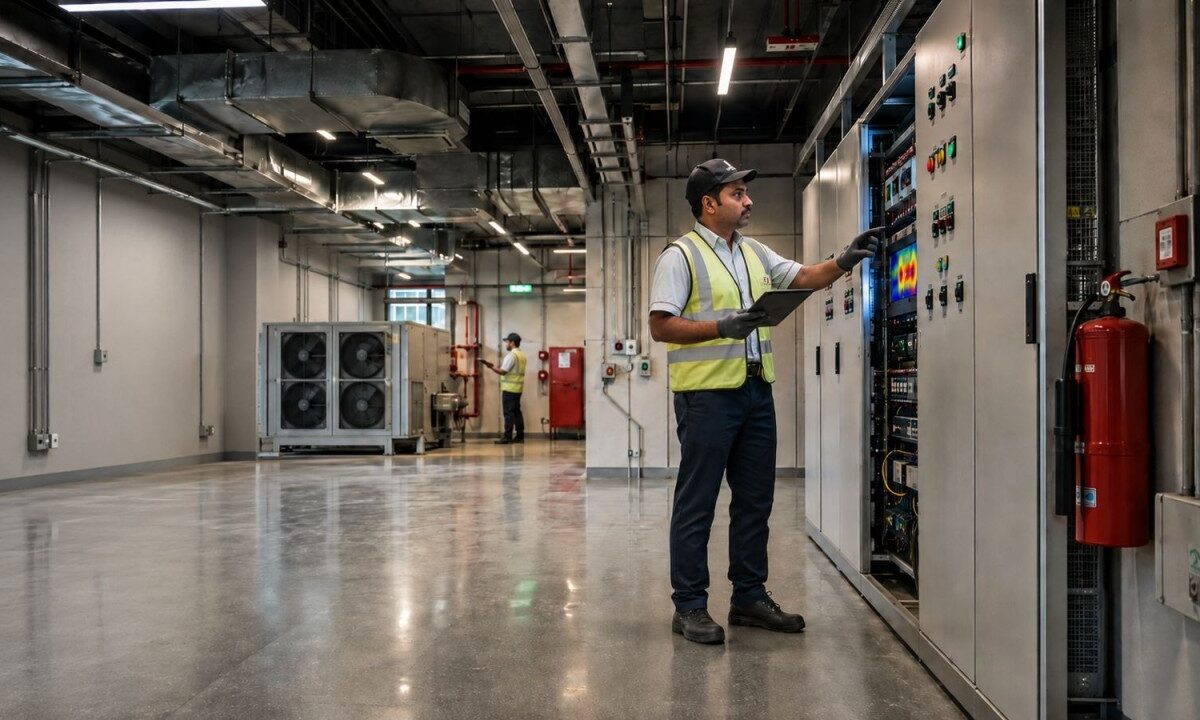
Regular electrical inspections, including thermography, panel checks, load assessments and earthing checks, can help identify problems before they become serious.

Why it matters?

  • Helps prevent unexpected electrical failures
  • Improves workplace safety
  • Reduces the risk of unplanned downtime
  • Allows maintenance teams to act before a failure occurs

Ask yourself: When was the last time your critical electrical panels were thoroughly inspected?

2. Keep Your HVAC Systems Working Efficiently

HVAC systems work quietly in the background, but we notice them immediately when they stop working.

Dirty filters, dust accumulation, poor airflow and delayed servicing can gradually reduce performance. The result can be uncomfortable workplaces, more complaints and higher energy consumption.

Regular servicing, filter cleaning, coil maintenance and duct cleaning where required can keep HVAC systems performing efficiently.

Why it matters?

  • Better indoor air quality
  • Improved cooling performance
  • Better employee comfort
  • Helps control energy consumption

Ask yourself: Are your HVAC complaints being treated individually or are you looking for recurring problems?

3. Check the Systems You Hope You Never Have to Use (Critical Infrastructure)

Fire safety systems, emergency lighting, backup power and earthing systems may not be used every day.

But when an emergency happens, they need to workvwithout excuses.

That is why these systems should not simply be installed and forgotten. Regular inspection, testing and documentation are essential.

Why it matters?

  • Protects people and property
  • Keeps emergency systems ready
  • Supports compliance requirements
  • Reduces the risk of failure when it matters most

Ask yourself: If there was an emergency today, would you be confident that every critical safety system would work as expected?

4. Stop Waiting for Equipment to Fail

There is a big difference between:

“The equipment has failed. Let’s repair it.”

and

“The equipment is showing signs of deterioration. Let’s act now.”

This is where predictive and condition-based maintenance can help.

Depending on the equipment, techniques such as thermal imaging, vibration analysis, condition monitoring and performance tracking can help maintenance teams identify potential problems before they turn into major failures.

Not every asset needs advanced predictive maintenance. The key is knowing which equipment is critical and where early intervention can make the biggest difference.

Why it matters?

  • Problems can be identified earlier
  • Maintenance can be planned instead of rushed
  • Equipment life can potentially be extended
  • Production and operations face fewer disruptions

Ask yourself: Which three assets in your facility would cause the biggest disruption if they stopped working tomorrow?

5. If You Don’t Record It, You Can’t Improve It

One of the simplest and most overlooked parts of maintenance is documentation.

What was inspected? What was repaired? Which equipment keeps failing? When is the next service due? Which assets have repeated issues?

Without proper records, maintenance teams often end up solving the same problem again and again.

Digital maintenance records can make it easier to track asset history, inspections, breakdowns, preventive maintenance schedules and recurring issues.

Why it matters?

  • Gives teams better visibility
  • Helps identify repeat problems
  • Makes maintenance planning easier
  • Supports audits and compliance
  • Helps management make better decisions

Ask yourself: Can you quickly identify your facility’s most frequently failing assets?

A Simple 5-Question Facility Health Check

Take a minute and answer Yes or No:

1. Do we have a clear preventive maintenance schedule for critical assets?

2. Are electrical, HVAC and safety-critical systems regularly inspected?

3. Do we analyse repeated breakdowns instead of simply repairing them?

4. Do we know which assets pose the greatest operational risk?

5. Can we easily access maintenance and asset history when required?

If you answered “No” to two or more, there may be an opportunity to strengthen your maintenance approach.

From Fixing Problems to Preventing Them

At Supreme Facility Management Ltd., we work with organizations to bring more structure and visibility to facility maintenance.

Our approach combines preventive maintenance, technical expertise, inspections, compliance monitoring, asset care and digital tools to help clients keep their facilities safer, more reliable and ready for business.

Because good facility management isn’t noticed when everything is working.

It is noticed when everything keeps working.

Want to Know Where Your Facility Stands?

Let our facility management experts help you identify potential preventive maintenance gaps and improvement opportunities.

Request a Facility Maintenance Health Check → Supreme Facility Management Ltd.

Prevent the breakdown. Protect the workplace. Keep business moving.
Enabling Manufacturing Excellence with Supreme

Enabling Manufacturing Excellence with Supreme

Facility Management has evolved far beyond the traditional scope of housekeeping, maintenance, and support services. Today, businesses require partners who can contribute directly to operational efficiency, workforce productivity, compliance, and production continuity.

At Supreme Facility Management Limited, our expertise extends beyond managing facilities. We support manufacturing environments with skilled workforce deployment, production support, compliance management, and flexible operating models that help businesses scale efficiently and perform consistently.

Manufacturing Requires More Than Infrastructure

A modern manufacturing unit may have advanced machinery, strong processes, and well-designed infrastructure. However, its success ultimately depends on the people, discipline, and operational systems that keep production running without interruption.

Manufacturers often face challenges such as:

  • Skilled workforce shortages
  • High attrition and manpower gaps
  • Compliance and documentation complexities
  • Production delays and operational bottlenecks
  • Inefficient workforce utilization

Addressing these challenges requires a partner who understands not only facility management, but also the operational demands of manufacturing environments.

Factory Within Factory: Operational Support at Client Locations

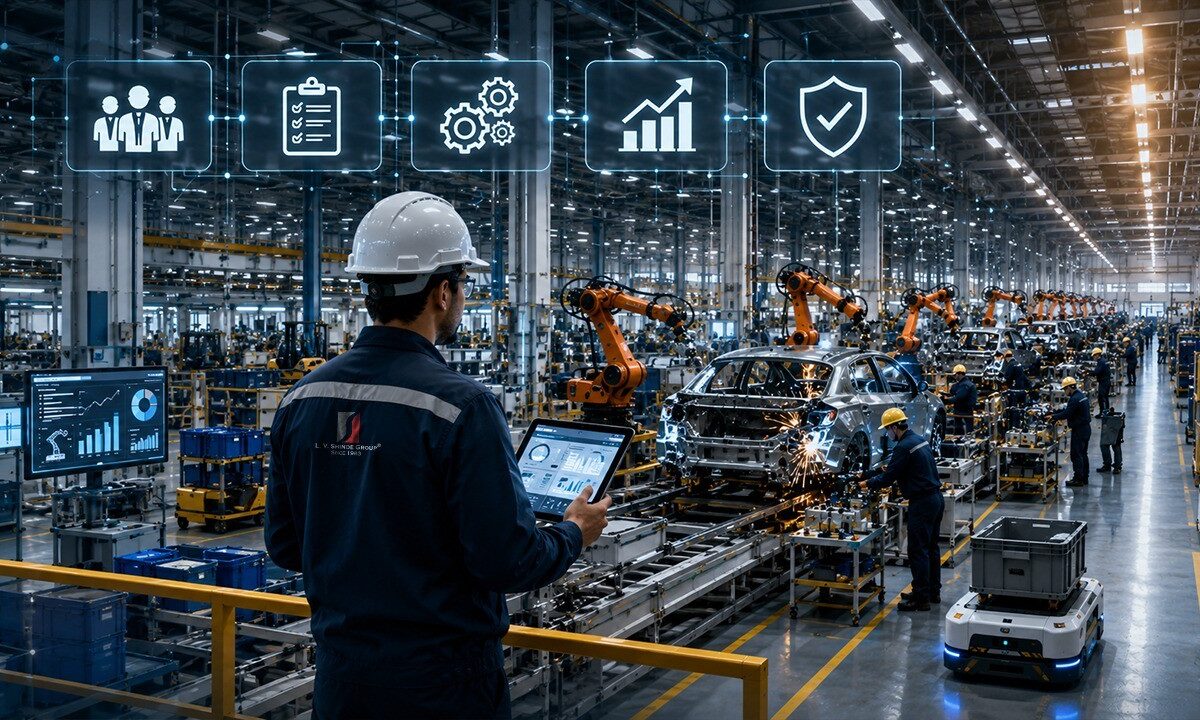
Supreme’s Factory Within Factory model is designed to support clients directly within their existing manufacturing facilities.

Under this model, Supreme deploys trained workforce, supervisors, and operational teams at the client’s location to manage defined production-support activities. This enables clients to maintain greater focus on their core manufacturing objectives while Supreme supports workforce management, process adherence, supervision, and compliance coordination.

This approach helps improve productivity, ensure smoother workflows, and create greater accountability on the shop floor.

Contract Manufacturing: Scalable Production Support

For businesses looking to expand capacity without investing heavily in additional infrastructure, Supreme offers Contract Manufacturing support.

In this model, the client provides product specifications and quality expectations, while Supreme supports the production ecosystem by providing manufacturing space, managing raw materials, deploying a skilled workforce, supervising, and executing processes.

This enables businesses to scale production efficiently while reducing operational complexity and capital investment.

Toll Manufacturing: Skilled Workforce for Existing Facilities

In many cases, clients already have the facility, machinery, and raw materials in place but require skilled and reliable manpower to support production.

Through Supreme’s Toll Manufacturing model, we provide trained workforce support that integrates seamlessly into the client’s existing production environment. This helps improve workforce availability, maintain production continuity, and optimize output without the need for additional infrastructure.

Compliance, Governance, and Process Discipline

Manufacturing operations require more than manpower availability. Compliance, documentation, supervision, and process discipline play a critical role in ensuring long-term performance.

Supreme supports clients with:

  • Workforce deployment and management
  • Compliance coordination and documentation support
  • Attendance and payroll-related coordination
  • Supervisory control and performance monitoring
  • Process adherence and operational reporting

This structured approach helps reduce risk, improve transparency, and support uninterrupted operations.

From Facility Partner to Operations Partner

Supreme’s manufacturing support capabilities reflect a broader shift in how businesses view facility partners. The need today is not just for service execution, but for integrated operational support that contributes to productivity, cost efficiency, and business continuity.

By combining facility management expertise with workforce strength, compliance capability, and manufacturing support models, Supreme helps clients build more agile and efficient operating environments.

Conclusion

In a competitive manufacturing landscape, operational efficiency depends on how well people, processes, compliance, and production support come together.

Supreme Facility Management Limited goes beyond traditional FM to support businesses where performance matters most, on the shop floor, inside the facility, and across the production ecosystem.

Because we don’t just manage facilities. We help businesses operate better.

Robotics in Facility Maintenance

Robotics in Facility Maintenance: Automating Repetitive Tasks | Supreme Facility

Robotics in Facility Maintenance: Automating Repetitive Tasks

The Role of Robotics in Facility Maintenance

In today’s fast-paced world, facility maintenance plays a crucial role in ensuring the smooth operation of various industries. However, the repetitive nature of many maintenance tasks can be time-consuming and labor-intensive. 

By automating repetitive tasks, robotics technology revolutionizes facility maintenance, making it more efficient and cost-effective.

Key Benefits of Using Robotics in Facility Maintenance

Implementing robotics in facility maintenance offers numerous benefits that can significantly improve operations. Some key benefits include:

  • Increased Efficiency: Robots can perform tasks with precision and speed, reducing the time required for maintenance activities.
  • Cost Savings: By automating repetitive tasks, facilities can reduce labour costs and allocate resources more effectively.
  • Improved Safety: Robots can handle hazardous tasks, minimizing the risk of accidents and injuries to human workers.
  • Enhanced Productivity: With robots performing repetitive tasks, human workers can focus on more complex and strategic maintenance activities.
  • Consistent Quality: Robots consistently perform tasks with accuracy, ensuring high-quality maintenance outcomes.
  • Extended Operating Hours: Robots can work around the clock, allowing for continuous maintenance without the need for human intervention.

Common Repetitive Tasks in Facility Maintenance

Facility maintenance involves a wide range of repetitive tasks. Some common examples include:

  • Cleaning Activities: Robots equipped with various cleaning tools can efficiently do the allocated cleaning jobs.
  • Inspection and Monitoring: Robots can be programmed to inspect equipment, identify potential issues, and collect data for analysis.
  • Painting and Coating: Robotic systems can automate the painting and coating process, ensuring uniform application and reducing human error.
  • Inventory Management: Robots can assist in inventory tracking, stock replenishment, and organizing supplies.

Types of Robotics in Facility Maintenance

There are various types of robotics used in facility maintenance, each designed for specific tasks. Some common types include:

  1. Autonomous Mobile Robots (AMRs): These robots can navigate autonomously and perform tasks such as cleaning, inspection, and inventory management.
  2. Drones: Drones equipped with cameras and sensors can be used for aerial inspections of large facilities or hard-to-reach areas.
  3. Robotic Arms: Robotic arms are versatile tools that can be programmed to perform tasks such as painting, repairs, and assembly.
  4. Telepresence Robots: These robots enable remote monitoring and communication, allowing experts to provide guidance and support from a distance.

Tips for Implementing Robotics in Facility Maintenance

To successfully implement robotics in facility maintenance, consider the following tips:

  • Conduct a thorough needs assessment to identify the tasks that can be automated and the areas where robotics can bring the most value.
  • Start with pilot projects to test the feasibility and effectiveness of robotics in specific maintenance tasks.
  • Involve employees in the implementation process by providing training and opportunities for collaboration with robotic systems.
  • Collaborate with robotics experts and vendors to ensure the selection of the right technology and equipment for your facility’s needs.
  • Stay updated with the latest advancements in robotics technology and explore opportunities for continuous improvement.

Strategies to Mitigate Challenges and Ensure Success:

  1. Workforce Transition: Provide training and upskilling opportunities to employees to ensure a smooth transition and minimize job displacement.
  2. Maintenance and Support: Establish a comprehensive maintenance and support system to address technical issues promptly and minimize downtime.
  3. Cybersecurity Measures: Implement robust cybersecurity measures to protect sensitive data and prevent unauthorized access.
  4. Collaboration with Experts: Collaborate with robotics experts and consultants to ensure a seamless integration of robotics technology.
  5. Regular Evaluation and Improvement: Continuously evaluate the performance of robotics systems and identify areas for improvement.

Future Trends in Facility Maintenance Robotics

The future of facility maintenance robotics holds exciting possibilities. Some future trends to watch out for include:

  • Artificial Intelligence Integration: Robotics systems will become smarter and more autonomous, leveraging AI algorithms for decision-making and problem-solving.
  • Collaborative Robots: Collaborative robots, also known as cobots, will work alongside human workers, enhancing productivity and safety.
  • Advanced Sensors and Analytics: Robotics systems will be equipped with advanced sensors and analytics capabilities, enabling predictive maintenance and real-time monitoring.
  • Cloud Connectivity: Robotics systems will leverage cloud connectivity for data storage, analysis, and remote monitoring.
  • Modular and Flexible Robotics: Modular robotics systems will allow for easy customization and reconfiguration to adapt to changing maintenance needs.

Conclusion

In conclusion, robotics technology has the potential to revolutionize facility maintenance by automating repetitive tasks, increasing efficiency, improving safety, and enhancing overall productivity. While there are challenges to overcome, the benefits of implementing robotics in facility maintenance far outweigh the risks. By embracing robotics, facilities can elevate efficiency, streamline processes, and ensure a more sustainable future for maintenance operations.

Elevate Efficiency: Embrace Robotics for Facility Maintenance with Supreme Facility Management!

At Supreme Facility Management, we understand the importance of optimizing facility maintenance operations. Our comprehensive supply chain solutions are designed to optimize your logistics, streamline processes, and enhance your overall productivity, allowing you to focus on what truly matters – growing your business. Our team of experienced professionals works closely with you to analyze your current processes, identify bottlenecks, and design strategies that optimize efficiency and reduce costs. By embracing robotics for facility maintenance, you can elevate efficiency and take your maintenance operations to the next level. Contact us today to learn more about how we can help you embrace the power of robotics in facility maintenance.

Comprehensive Facilities Management Plan for Educational Institutions

How to Create a Comprehensive Facilities Management Plan for Educational Institutions | Supreme Facility

How to Create a Comprehensive Facilities Management Plan for Educational Institutions

Do you know what sets a great educational institution apart from the rest? It’s not just the quality of teaching and research, but also the quality of its facilities. A well-maintained campus with excellent facilities not only attracts more students but also creates a positive learning environment. That’s why developing a comprehensive facilities management plan (FMP) is critical for educational institutions.

What Is a Facilities Management Plan?

A facilities management plan (FMP) is a comprehensive document that outlines the strategies, policies, and procedures for maintaining and managing a facility. It provides a framework for managing various aspects of a facility such as maintenance, safety, security, energy, space, and assets.

Educational institutions are complex environments that require effective management of various facilities, including classrooms, labs, libraries, and sports facilities. A dedicated FMP is essential to ensure the smooth running of these facilities and create a conducive learning environment.

What Is Educational Institutions Facility Management?

Facility management in educational institutions involves the maintenance, management, and operation of the physical assets and infrastructure of schools, colleges, and universities. It includes ensuring that facilities are safe and secure, well-maintained, and efficiently managed.

Facility managers in educational institutions are responsible for the day-to-day management of buildings, equipment, and services. They ensure that these facilities meet the needs of students, staff, and faculty and contribute to the overall success of the institution.

The Role of Facility Management in Educational Institutions

Facility management plays a critical role in ensuring the success of educational institutions. Some of the key roles of facility management in educational institutions include:

  • Maintaining the safety and security of the facility and its occupants
  • Ensuring that the facility is well-maintained and meets regulatory requirements
  • Optimizing energy use to reduce costs and improve sustainability
  • Ensuring efficient space utilization and management to meet the needs of students, staff, and faculty
  • Managing assets and procurement to optimize the use of resources

Elements of Educational Institutions 

A comprehensive FMP for educational institutions should cover various elements of facility management. Here are some of the critical elements of an FMP:

1. Facility Maintenance And Management

This element covers the policies and procedures for maintaining the facility, including preventive maintenance, corrective maintenance, and emergency repairs.

2. Safety And Security

This element covers the policies and procedures for ensuring the safety and security of the facility and its occupants, including fire safety, building security, and emergency preparedness.

3. Energy And Sustainability

This element covers the strategies for optimizing energy use, reducing costs, and improving sustainability, including energy-efficient lighting, heating, and cooling systems.

4.Space Utilization And Management

This element covers the policies and procedures for managing space and ensuring that it is used efficiently and effectively to meet the needs of students, staff, and faculty.

5. Procurement And Asset Management

This element covers the policies and procedures for managing assets and procurement to optimize the use of resources and ensure that the facility has the necessary equipment and supplies.

Developing A Facilities Management Plan

Developing a comprehensive FMP for educational institutions involves several steps. Here are some of the critical steps involved in developing an FMP:

1. Establishing A Facilities Management Committee:

Establishing a committee of key stakeholders is critical to developing an effective FMP. This committee should include representatives from different departments, including facilities, operations, finance, and administration.

2. Conducting A Facilities Assessment:

Conducting a comprehensive assessment of the facility is essential to identify areas that need improvement. This assessment should cover various elements of facility management, including maintenance, safety, security, energy, and space utilization.

3. Setting Goals And Objectives:

Setting clear and measurable goals and objectives is critical to developing an effective FMP. These goals should align with the institution’s overall mission and vision and should be specific, measurable, achievable, relevant, and time-bound.

4. Creating An Action Plan: 

Creating a detailed action plan outlining the strategies, policies, and procedures for achieving the goals and objectives is critical to developing an effective FMP. The action plan should be based on the findings of the facilities assessment and should cover various elements of facility management. It should also include a timeline for implementation, budget, and resource requirements.

5. Implementing The Plan:

Implementing the FMP involves executing the action plan and monitoring progress towards achieving the goals and objectives. It is essential to have a dedicated team responsible for implementing the plan and ensuring that it is executed effectively.

Evaluating And Updating The Facilities Management Plan

Evaluating and updating the FMP is critical to ensure that it remains relevant and effective. It is essential to review the FMP periodically and make necessary adjustments to align with the institution’s changing needs.

The evaluation should involve assessing the FMP’s effectiveness in achieving the goals and objectives and identifying areas that need improvement. Based on the evaluation, the FMP should be updated, and necessary adjustments should be made to ensure that it remains effective.

The Role Of Technology In Facilities Management

Technology plays a significant role in facilities management, and educational institutions can leverage technology to improve the efficiency and effectiveness of their facility management processes. Some of the ways that technology can be used include:

  1. Facility Management Software: Facility management software can help facility managers to automate various processes, including maintenance scheduling, work order tracking, and asset management.


  1. Energy Management Systems: Energy management systems can help to optimize energy use, reduce costs, and improve sustainability by providing real-time monitoring and analysis of energy consumption.


  1. Building Automation Systems: Building automation systems can help to improve the efficiency of building operations by automating various systems, including lighting, heating, and cooling.

Benefits Of Educational Institutions Facility Management

Effective facility management in educational institutions can provide several benefits, including:

  • Ensuring a safe and secure learning environment
  • Enhancing the learning experience by ensuring that facilities meet the needs of students, staff, and faculty
  • Reducing operating costs through improved energy efficiency and resource management
  • Ensuring regulatory compliance and reducing liability risks
  • Improving the overall reputation of the institution

Tips For Effective Educational Institutions Facility Management

Here are some tips for effective facility management in educational institutions:

  • Develop a comprehensive FMP that covers all critical elements of facility management.
  • Establish a dedicated team responsible for managing and implementing the FMP.
  • Leverage technology to improve efficiency and effectiveness.
  • Conduct regular assessments and evaluations to identify areas that need improvement.
  • Foster a culture of safety and sustainability among students, staff, and faculty.

Conclusion

A comprehensive FMP is critical to effective facility management in educational institutions. By developing a comprehensive FMP, educational institutions can ensure that their facilities meet the needs of students, staff, and faculty, create a safe and secure learning environment, and reduce operating costs.

Streamline Your Educational Facility with Our Management Expertise

Are you ready to improve your facility management processes and create a better learning environment for your students? 

Our team of experts can help you streamline your educational facility’s management processes and develop a comprehensive FMP. 

Contact us today to learn more about how we can help you achieve your facility management goals.

Choosing the Right IFM Provider

How to Choose the Right Integrated Facilities Management Provider: A Comprehensive Guide | Supreme Facility

How to Choose the Right Integrated Facilities Management Provider

Integrated Facilities Management (IFM) is a critical business function that ensures the smooth operation of an organization’s facilities and premises. It involves the coordination and management of various aspects, including maintenance, repairs, security, and environmental services. Selecting the right IFM provider is crucial for businesses looking to enhance efficiency, improve customer experience, and reduce costs. In this blog, we’ll discuss the importance of choosing the right IFM provider, provide six ways to choose the best facility management company, and introduce you to Supreme Facility Management (SFM), a top-tier provider of integrated facilities management services.

Why Choose the Right IFM Provider?

Choosing the right IFM provider can have a significant impact on your business’s success. 

Here’s why:

1. Improved Efficiency:

An experienced IFM provider can streamline your facility management process, optimize maintenance schedules, and reduce downtime. This leads to increased efficiency and productivity, enabling you to focus on your core business activities.

2. Enhanced Customer Experience:

A well-maintained facility can improve the customer experience, increase satisfaction, and improve brand reputation. A professional IFM provider can help you achieve this by providing high-quality services, such as cleaning, maintenance, and security.

3. Cost Savings:

The right IFM provider can help you save money by reducing energy costs, optimizing maintenance schedules, and implementing cost-effective solutions. This frees up resources that can be used to grow your business and increase profitability.

4. Regulatory Compliance:

A reputable IFM provider can help you stay compliant with local and national regulations, ensuring a safe and secure workplace. This mitigates risks, such as fines, penalties, and lawsuits, that could harm your business.

5. Customized Solutions:

A good IFM provider can tailor their services to meet your specific needs, ensuring that your facilities are well-maintained and functioning optimally. This leads to better results, improved efficiency, and higher customer satisfaction.

Six Ways to Choose the Best Facility Management Company

1. Identify your Needs:

Before selecting an IFM provider, identify your facility management needs. Create a list of services you require. This helps you narrow down your search and select a provider that can meet your specific needs.

2. Research Potential Providers:

Once you’ve identified your needs, research potential IFM providers in your area. Check their websites, read online reviews, and ask for referrals from other businesses in your industry. This helps you select a reputable and experienced provider.

3. Evaluate Service Offerings:

Review the provider’s service offerings to ensure they align with your needs. Check if they offer 24/7 support, emergency services, and customized solutions. This ensures you receive high-quality services that meet your specific requirements.

4. Review Technology:

Check if the provider uses advanced software, IoT devices, and other technologies to manage your facilities. This leads to better results, improved efficiency, and higher customer satisfaction.

5. Consider Availability and Responsiveness:

Facility management issues can arise at any time, and you need a provider that can respond promptly. Check if the provider offers round-the-clock support, a dedicated account manager, and a fast response time. This ensures your facilities are always well-maintained and functioning optimally.

6. Review Contract Terms and Pricing:

Before signing a contract, review the provider’s terms and pricing. Ensure there are no hidden fees, and the pricing structure is transparent and competitive. This helps you avoid surprises and ensures you receive high-quality services at a fair price.

Improve Your Facility’s Efficiency with Supreme Facility Management (SFM)

At SFM, we understand the importance of selecting the right IFM provider. That’s why we offer customized IFM solutions that are tailored to meet your specific needs. Our experienced team uses advanced technology, best practices, and a customer-centric approach to deliver exceptional service that enhances your facility’s efficiency and productivity.

Our integrated approach to facility management ensures that all aspects of your facility’s operations are streamlined and optimized. From maintenance and repair to cleaning and security, we provide a comprehensive range of services that are designed to meet your specific needs. Our team of experts works closely with you to identify areas where improvements can be made, and we develop customized solutions that address those needs.

By partnering with SFM, you can be confident that your facility will operate at its full potential, allowing you to focus on your core business objectives. Our commitment to delivering exceptional service means that we are always looking for ways to improve our processes and procedures to ensure that our clients receive the best possible service. 

Contact us today to learn more about how we can help you improve your facility’s efficiency with our integrated facility management services.

Hi, How Can We Help You?