
Enquire Now
Mobile-first Building Operations

Mobile-first Building Operations in Facility Management

Mobile-first Building Operations in Facility Management

In today’s fast-paced world, technology has become an integral part of our daily lives, transforming the way we work and manage various aspects of our environment. Facility management, a critical function in the maintenance and operation of buildings, is no exception. With the advent of mobile-first building operations, facility managers are now equipped with powerful tools that enhance efficiency, connectivity, and overall effectiveness in their roles.

What is Mobile-first Building Operations in Facility Management?

Mobile-first building operations, as the name suggests, prioritize mobile devices as the primary means of managing and monitoring building facilities. This approach leverages smartphones and tablets, providing facility managers and staff with instant access to critical information and tools while on the go. It’s a shift from traditional desktop-bound operations to a more agile and responsive model.

Benefits of Mobile-First Building Operations  

Embracing mobile-first building operations comes with a multitude of benefits that can significantly impact the efficiency and effectiveness of facility management:

  1. Enhanced Accessibility:Mobile apps enable facility managers to access real-time data, schedules, and reports from anywhere, ensuring prompt responses to issues or emergencies.
  2. Streamlined Communication:Mobile devices facilitate seamless communication between teams, contractors, and tenants, fostering collaboration and quick issue resolution.
  3. Efficient Work Order Management:Through mobile apps, work orders can be created, assigned, tracked, and completed swiftly, reducing downtime and increasing productivity.
  4. Cost Savings:Reduced paperwork, enhanced resource allocation, and quicker issue resolution contribute to cost savings in facility management operations.
  5. Improved Data Accuracy:Mobile-first operations minimize the chances of data entry errors, ensuring that information is accurate and up-to-date.
  6. Enhanced Tenant Satisfaction:Prompt issue resolution and better communication lead to higher tenant satisfaction, improving tenant retention rates.

Key Components of Mobile-First Building Operations  

To fully embrace mobile-first building operations, several key components are essential:

  1. Mobile Apps: These serve as the primary interface for facility managers and staff to access information, perform tasks, and receive notifications.
  2. Cloud-Based Solutions: Cloud storage enables secure and convenient access to data, ensuring that information is always up-to-date.
  3. IoT Integration:Mobile-first operations often integrate with Internet of Things (IoT) devices to provide real-time data on building systems, such as HVAC, lighting, and security.
  4. Barcode and QR Code Scanning: This feature simplifies asset tracking and inventory management by allowing users to scan codes with their mobile devices.
  5. Work Order Management: Mobile apps should include features for creating, assigning, and tracking work orders efficiently.
  6. Analytics and Reporting: Facility managers can access analytics and generate reports on various aspects of building operations.

Integration with IoT for Smarter Facilities  

One of the most exciting aspects of mobile-first building operations is its integration with IoT technology. By connecting mobile devices with IoT sensors and devices within buildings, facility managers gain access to a wealth of data that can be used to create smarter, more efficient facilities.

For example, IoT sensors can provide real-time data on energy consumption, enabling facility managers to identify areas for energy savings and optimization. Smart building systems can adjust lighting and HVAC settings automatically based on occupancy, reducing energy waste. Security systems can be linked to mobile apps, allowing for remote monitoring and immediate response to security alerts.

Common Challenges in Mobile-first Building Operations  

While mobile-first building operations offer significant advantages, there are also challenges to consider:

  1. Security Concerns: Mobile devices can be vulnerable to security threats. Robust security measures are essential to protect sensitive facility data.
  2. Integration Complexity: Integrating mobile apps with existing systems, especially in older buildings, can be complex and require careful planning.
  3. User Training: Facility staff may need training to fully utilize mobile apps and take advantage of their features.
  4. Data Privacy: Handling sensitive tenants and building data requires strict adherence to data privacy regulations.
  5. Maintenance and Updates: Mobile apps and IoT devices require regular maintenance and updates to ensure optimal performance.

Conclusion

In conclusion, mobile-first building operations are transforming facility management by enhancing accessibility, communication, and efficiency. When integrated with IoT technology, they offer smarter and more connected facilities. However, addressing security concerns, ensuring proper integration, and providing user training are essential for successful implementation. As technology continues to advance, mobile-first building operations are set to become a standard practice in the industry, empowering facility managers to deliver superior service and value to their clients and tenants.

Experience Mobile-First Building Operations by Supreme Facility!  

At Supreme Facility, we’re committed to staying at the forefront of facility management technology. Our mobile-first building operations ensure that your facilities are managed with the utmost efficiency and effectiveness. Contact us today to experience the future of facility management.
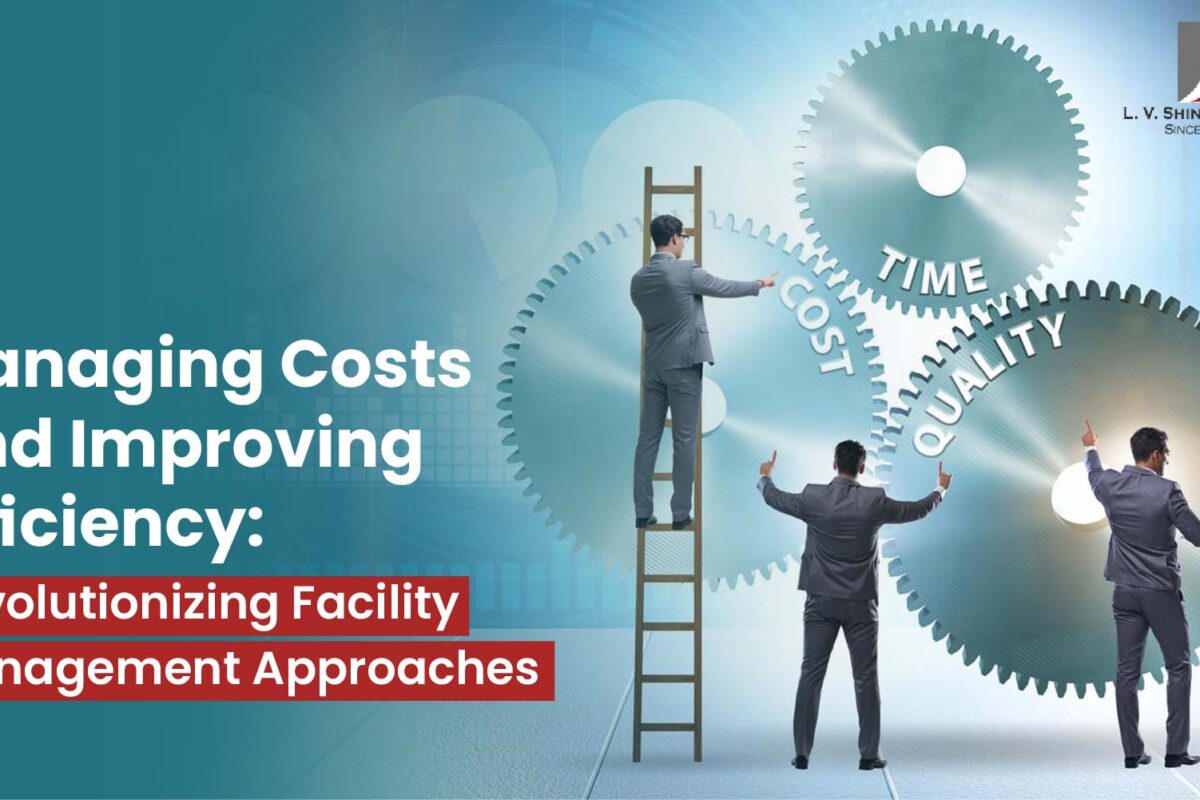
Cost Management and Efficiency Improvement

Managing Costs and Improving Efficiency | Supreme Facility

Managing Costs and Improving Efficiency: Revolutionizing Facility Management Approaches

Facility management is changing at a never-before-seen rate. Today, managing daily operations is not enough; you also need to adopt cutting-edge strategies that improve efficiency, lower costs, and streamline processes. In this blog, we will explore how Supreme Facility Management (SFM) is reshaping the facility management industry through the adoption of cutting-edge technologies, environmentally friendly practices, data-driven decision-making, and tactical collaboration.

The Current Landscape of Facility Management

The traditional function of maintaining buildings and ensuring their functionality has been surpassed by facility management. The three main goals of contemporary facility managers are resource optimization, user experience improvement, and environmental impact reduction. In order to achieve these goals, SFM has embarked on a transformational journey using technology as a change-catalyst.

Technology Adoption for Greater Efficiency

1. Software for Facility Management is Integrated:

Modern facility management software is integrated at the core of SFM’s methodology. Through the use of a central hub, this technology streamlines procedures such as work order management, asset tracking, and preventive maintenance planning. Real-time visibility and automation significantly enhance operational efficiency.

2. Implementing Internet of Things (IoT) Devices:

SFM has harnessed the power of IoT devices to collect valuable data from various assets and systems. These devices enable predictive maintenance, reducing downtime and lowering overall maintenance costs. SFM uses IoT-driven insights to make wise decisions and allocate resources effectively.

3. Utilizing Predictive Maintenance and Data Analytics

SFM’s decision-making process is fundamentally based on data analytics. SFM can predict equipment failures through the analysis of historical data, enabling preventative maintenance. This not only avoids expensive breakdowns but also increases asset longevity, ultimately cutting costs.

Practices that Reduce Costs in a Sustainable Way

1. Environmentally Friendly Energy Options

The value of sustainability in facility management is acknowledged by SFM. Utilizing energy-efficient technologies, such as LED lighting and intelligent HVAC systems, not only lowers operational costs but also supports environmental objectives.

2. Efforts to Manage Waste and Promote Recycling

Recycling and waste reduction are essential components of SFM’s sustainability plan. SFM helps to cut costs while lowering its carbon footprint by encouraging recycling and minimizing waste.

3. Guidelines for Water Conservation

SFM is dedicated to using water responsibly because it is a valuable resource. Water conservation initiatives, including smart irrigation systems and low-flow fixtures, help lower utility bills and support environmental conservation efforts.

4. Making Decisions Based on Data

Data serves as the foundation for SFM’s decision-making process. SFM continuously gathers data and analyzes it to provide insights into facility performance, enabling data-driven decisions that improve operations and reduce costs.

Benefits of Contracting Out Non-Critical Facility Functions

SFM understands that concentrating on core competencies is essential for efficiency. SFM guarantees specialized attention to these areas while freeing up internal resources for strategic tasks by outsourcing non-core tasks like security or janitorial services.

1. Establishing Trustworthy Supplier Relationships

The success of SFM is primarily due to collaboration. Developing trusting and reliable relationships with vendors and service providers promotes a culture of dependability. This cooperation frequently produces cost savings and beneficial results for both parties.

2. Coworking and Communal Spaces

Co-working spaces and shared resources are just a couple of the collaborative opportunities that SFM looks into. SFM maximizes space utilization and lowers overhead costs by collaborating with other organizations to share resources and spaces.

3. Educating Employees on Energy-saving Practices

Employees are crucial collaborators in SFM’s efforts to promote sustainability. Employees of SFM’s clients are instructed on energy-saving techniques, and they are encouragred to contribute to cost reduction through prudent energy use.

How to Use Space Effectively Instruction

The ability to save money depends on how well space is used. SFM instructs and counsels staff on the most efficient use of space, removing the need for additional square footage and, ultimately, reducing real estate costs.

Conclusion

In the ever-evolving landscape of facility management, SFM remains committed to innovative approaches that drive efficiency, reduce costs, and promote sustainability. Through technology integration, sustainable practices, data-driven decisions, strategic collaboration, and employee engagement, SFM continues to set new standards in facility management.

Experience Unparalleled Service with Supreme Facility Management

At SFM, we don’t just manage facilities; we transform them. Experience the future of facility management with SFM’s cutting-edge solutions and unwavering commitment to excellence. Join us in revolutionizing the way facilities are managed and optimized for a brighter, more efficient tomorrow.

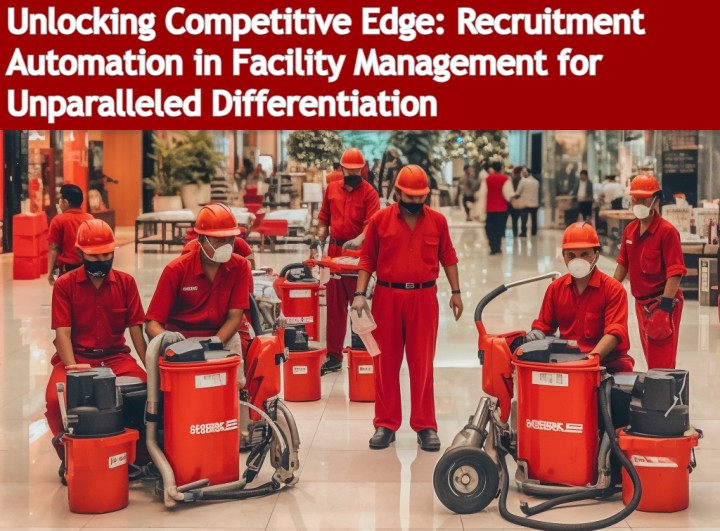
Unlocking Competitive Edge: Recruitment Automation in Facility Management for Unparalleled Differentiation

Unlocking Competitive Edge: Recruitment Automation in Facility Management for Unparalleled Differentiation

I have had the privilege to interact with Surya Banerjee, Country Head at Supreme Facility Management Pvt Ltd, over the last one year of our journey here at Hunar.AI. Recently, we sat down over a cup of coffee at his Pune office to delve into the evolving landscape of the #facilitymanagement industry in India and the pivotal role of technology, particularly in recruitment. In this blog, I aim to capture our conversation and share the valuable insights shared by Surya Banerjee

Krishna Khandelwal: Hi Surya, thank you for taking the time to speak with me today. I’m really interested to learn more about the facility management industry in India and how technology is playing a role in its continuous evolution.

Surya Banerjee: It’s my pleasure, Krishna Khandelwal. I’m excited to share my insights with you.

Krishna Khandelwal: Can you provide a quick description of Supreme Facility Management Pvt Ltd and its role in the industry?

Surya Banerjee: Sure Krishna. Supreme Facility Management Pvt Ltd is a leading player in delivering world-class workplace experience, comprehensive facilities management, corporate real estate services, and agile project solutions.  With a rich legacy of over 38 years, we have set the bar high in the industry. Our focus is on delivering digitally advanced and environmentally sustainable hard/soft/IFM service delivery and supply chain solutions. Our extensive expertise spans multiple sectors, including automotive, engineering, e-commerce, and IT, enabling us to serve clients across 200 sites with utmost dedication.

Roles in Facility Management Industry


Krishna Khandelwal Thank you. Working closely with your team at Supreme Facility Management over the last one year has given me valuable insights into the remarkable strides you have made. Your visionary initiatives are poised to establish Supreme as a leading player in India’s integrated facilities management (IFM) sector. Could you shed light on the significant changes that have shaped the facility management industry in India over the past ten years?

Surya Banerjee: Over the past decade, the facility management industry in India has witnessed significant growth and transformation. One notable aspect is the exponential growth in the number of facility management companies. Recent statistics indicate that the sector has experienced nearly a threefold increase in the number of companies compared to 10 years ago. This surge is a testament to the rising demand for expert facility management services across various industries.

Krishna Khandelwal: As the industry has evolved, what are the top challenges that facility management companies face today?

Surya Banerjee In today’s dynamic business landscape, facility management companies face several challenges. As the industry continues to grow, the complexities and obstacles associated with it also increase.

  1. Changing Business Models: With evolving client expectations, facility management companies need to adapt their business models to offer innovative and customised solutions. Staying ahead of the curve requires constant innovation and the ability to align services with the specific needs of clients.
  2. Visibility & Transparency :  Clients expect you to give real time insight in your process, analyse trends as basis for process improvements and transparency towards your customers.
  3. Operational Grip :Clients expect better grip on operations with improved Efficiency in Operations, better financials concerning the FM Process and superior quality and OTIF deployment of Personnel
  4. Operational Intensity:Managing extensive operations across India can be operationally challenging. Achieving consistent service delivery, upholding quality standards, and meeting client expectations require meticulous planning and execution. Facility management companies must optimise their operational processes to ensure efficiency and effectiveness.
  5. Skilled Talent Shortage:Despite India being a labour surplus country, the facility management industry in India is facing a growing shortage of skilled talent. The mismatch between required skills and available talent poses a significant challenge. Attracting, acquiring, and retaining skilled professionals have become crucial to meet the industry’s demands. Additionally, amidst these challenges, achieving lower turnaround time (TAT) is becoming increasingly challenging.
  6. Differentiation in a Cottage Industry:Facility management services in India are still perceived as a cottage industry. Companies need to create differentiated offerings to stand out amidst the competition and gain a competitive edge. Establishing a strong brand identity and highlighting unique value propositions are crucial for gaining a competitive edge and achieving success.

Krishna Khandelwal: Thank you for shedding light on these challenges. Considering the industry’s growth potential and the obstacles you’ve highlighted, it’s evident that technology can play a crucial role in effectively addressing these industry challenges.

Surya Banerjee: Absolutely, Krishna. Technology has the potential to be a game-changer for the facility management industry. It offers solutions that can address various challenges and create new opportunities. We see several areas where technology can make a significant impact, these include :

  • Moving from Schedule-based to Need-based Facility Management:Technology enables facility management companies to shift from traditional schedule-based operations to need-based approaches. By leveraging real-time data and insights, companies can optimise resource allocation and provide services exactly when and where they are needed, increasing operational efficiency and client satisfaction. This transition marks a significant advancement in the industry, driven by technology’s ability to facilitate smarter and more responsive facility management practices.

Workflow Automation and Smart Tools: The integration of workflow automation and smart tools holds immense potential for enhancing operational efficiency in the facility management industry.  By automating repetitive tasks and harnessing intelligent tools, companies can streamline processes, reduce errors, and achieve cost savings. This enables employees to allocate more time and energy towards value-added activities, resulting in improved service delivery and heightened customer satisfaction. The strategic adoption of these technologies is revolutionising the way facility management operations are conducted, driving industry-wide efficiency gains.

  • Data Analytics and AI-driven Insights:The facility management industry generates vast amounts of data, presenting a unique opportunity for leveraging data analytics and artificial intelligence (AI). By harnessing these technologies, companies can gain valuable insights that fuel proactive decision-making. Predictive maintenance based on AI algorithms can identify and address potential issues before they escalate, ensuring the uninterrupted functioning of facilities. Through predictive maintenance powered by AI algorithms, potential issues can be identified and resolved proactively, ensuring uninterrupted facility operations. Additionally, data-driven resource allocation optimises costs and enhances service delivery, resulting in heightened client satisfaction.
  • Internet of Things (IoT) Devices:IoT devices offer real-time monitoring capabilities that can revolutionise facility management.By deploying sensors and connected devices, companies can continuously monitor crucial parameters such as energy usage, temperature, and occupancy levels. This data empowers informed decision-making, proactive maintenance, and identification of areas for improvement. Leveraging IoT technology enhances operational efficiency and reduces downtime.
  • Mobility Solutions: In facility management, the adoption of mobile technology empowers frontline workers with digital tools that boost productivity and connectivity. Through mobile applications, employees gain access to real-time information, work orders, and communication channels, enabling efficient task management, seamless collaboration, and swift response to client needs. This seamless mobility solution enhances workforce efficiency, streamlines operations, and drives unparalleled customer satisfaction
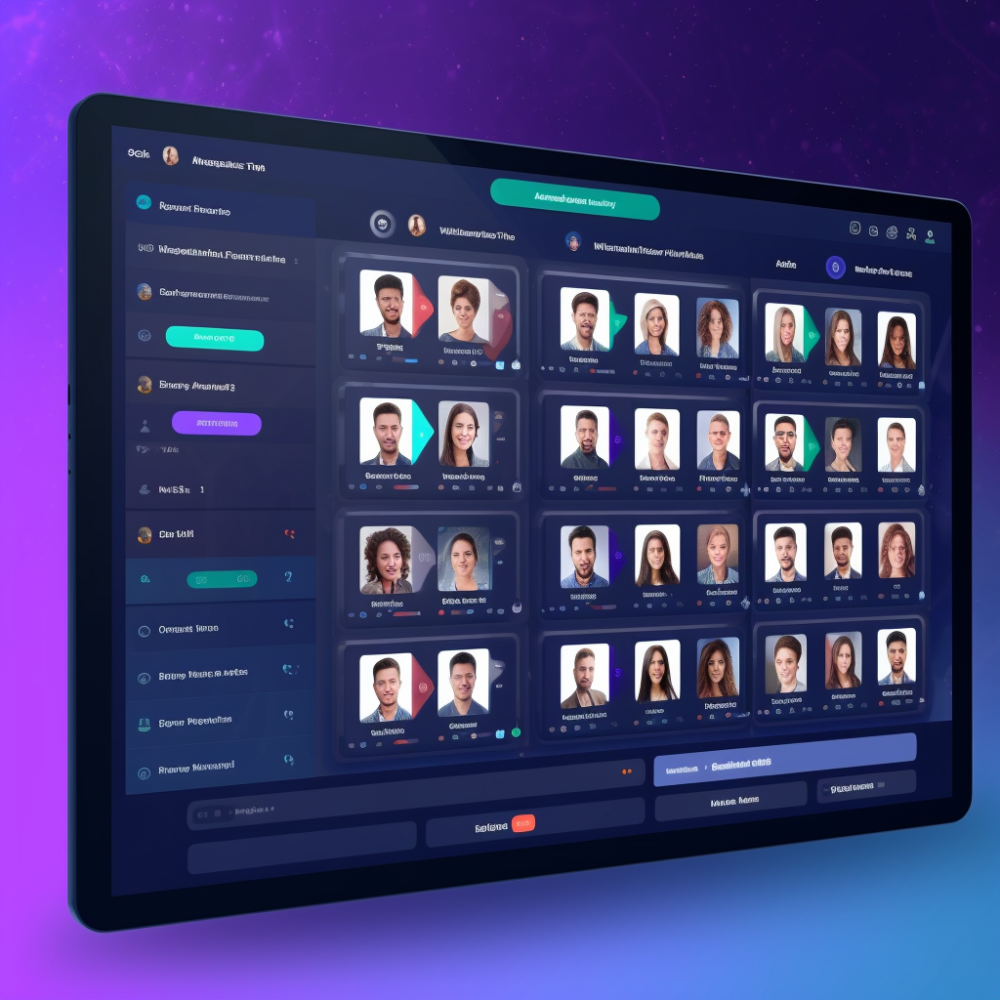
  • Recruitment Technology: Technology can revolutionise the recruitment operations of facility management companies, addressing the challenge of skilled talent shortage. AI-powered platforms streamline talent acquisition by efficiently matching candidates’ skills with specific job requirements. These platforms analyse resumes, assess candidate potential, and automate initial screenings. By embracing recruitment technology, facility management companies improve the sourcing and selection process, attracting the right talent for their organisation. Text-based recruitment solutions enable quick candidate outreach, expanding the talent pool and network. With the speed and effectiveness of recruitment technology, facility management companies meet customer expectations for reduced turnaround time (TAT) while ensuring successful talent acquisition.

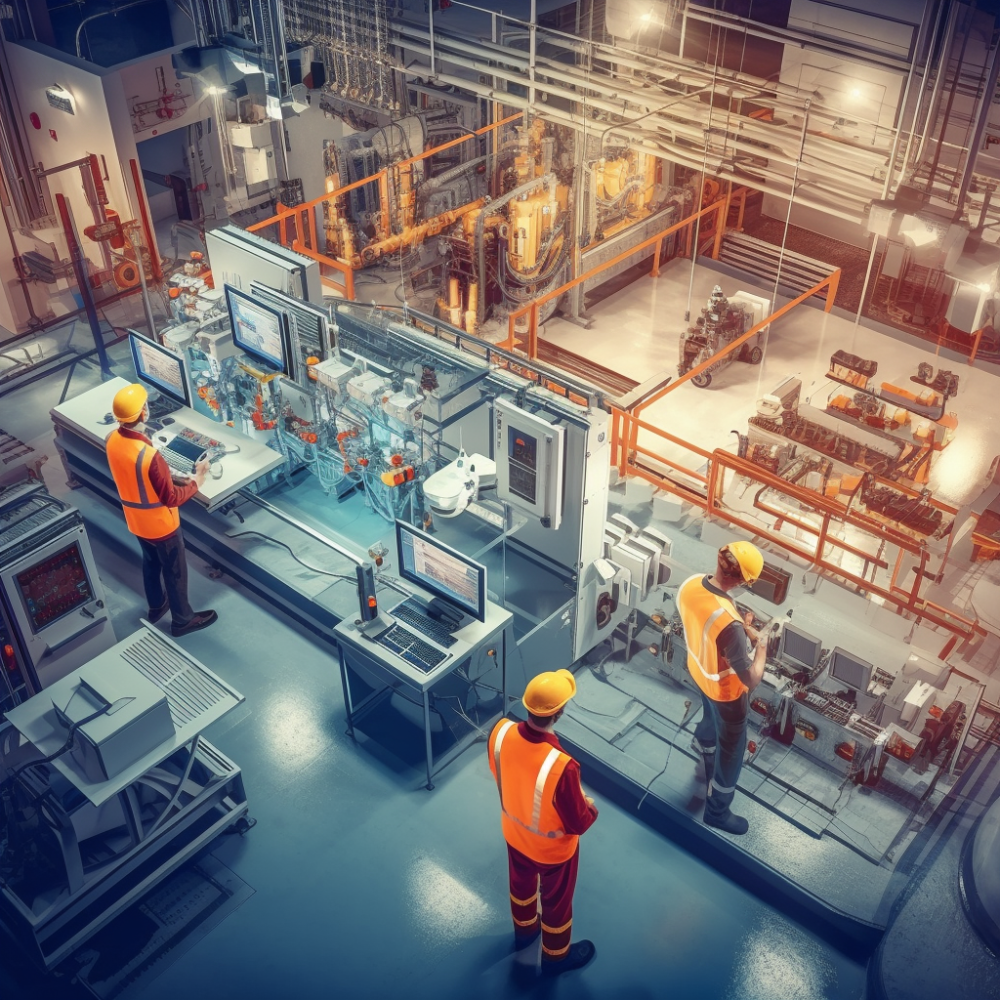
Recruitment Automation for Facility Management Industry


However, it’s important to note that While technology brings significant benefits to facility management, it is essential to demonstrate its return on investment (ROI) for companies. The cost of implementing technology solutions should be justified by the tangible advantages they offer, such as enhanced operational efficiency, improved service quality, and increased client satisfaction. Facility management companies must assess the potential impact of technology adoption to align it with their business goals. By optimising technology investments, companies can maximise value and drive positive outcomes.

Krishna Khandelwal: These advancements in technology are indeed intriguing and hold immense potential. Considering my interest in the recruitment aspect, I am eager to delve deeper into how recruitment technology can contribute to overcoming the challenges faced by the facility management industry.

Surya Banerjee: Absolutely. Recruitment technology is an area that has not been extensively explored in the Facility Management industry, which is highly blue-collar manpower intensive It’s crucial to view recruitment technology not just as a sourcing tool but also as a means to engage with candidates and facilitate the hiring process. Here is how we, at Supreme, are thinking about it :

  • Sourcing: As job requirements in the Facility Management industry become increasingly complex, sourcing the right talent has become more challenging. AI-powered platforms revolutionise talent acquisition by efficiently matching candidates’ potential to specific job requirements. Through advanced algorithms and comprehensive candidate analysis, these platforms streamline the recruitment process, improve efficiency, and ensure precise candidate sourcing. Technology in blue-collar recruitment is a potential game changer as it creates a simplified ecosystem for FM companies to reach out to blue-collar workers swiftly and efficiently and vice-versa.
  • Engagement: In the recruitment process, effective communication plays a vital role. Leveraging recruitment technology facilitates transparent engagement with candidates, ensuring timely updates on job details, interview locations, and other pertinent information. By fostering clear and consistent communication channels, technology fosters trust and elevates the overall candidate experience. Technology is the only possible way to make responsible recruitment a possibility.
  • Hiring/Onboarding: Streamlining the hiring and onboarding process is crucial in the fast-paced facility management industry, where bulk hiring is often required within tight timeframes. Technology-driven on-the-spot onboarding solutions offer a seamless experience for candidates, reducing the drop-off rate between hiring and joining. Through automation, administrative tasks such as document collection and verification are efficiently handled, enabling swift and error-free onboarding.

Recruitment technology revolutionises talent acquisition in facility management, addressing talent-related challenges through optimised sourcing, enhanced candidate engagement, and streamlined hiring and onboarding operations. By harnessing these advancements, companies can achieve unprecedented speed, effectiveness, and reduced time-to-fill (TAT) in their recruitment efforts. Embracing recruitment technology empowers facility management companies to attract, acquire, and retain top talent in a competitive market, ensuring a seamless and efficient recruitment process

Krishna Khandelwal: It’s truly inspiring to witness individuals like you and your organisation embracing technology holistically to drive growth and stand out in the industry. At Hunar.AI, we are super committed to developing solutions for the industry and supporting organisations like Supreme in harnessing technology that not only drives value but also delivers a significant return on investment. Thank you, Surya, for sharing your insights with me. Looking forward to doing this again.

Surya Banerjee It was my pleasure Krishna and I thoroughly enjoyed our conversation. I extend my best wishes to you and the entire team at Hunar.AI. You are truly crafting interesting solutions and I am glad that we got to be a part of your journey.


LinkedIn Link

https://www.linkedin.com/pulse/unlocking-competitive-edge-recruitment/?trackingId=IltaAXCXAW2YuUAeKHt4Sw%3D%3D

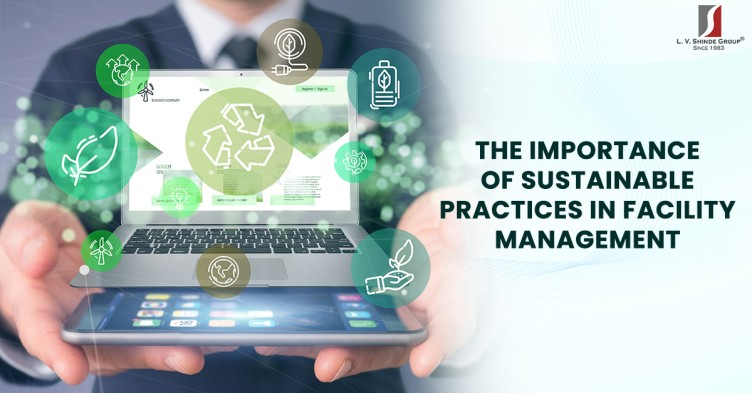
The Importance of Sustainable Practices in Facility Management

The Importance of Sustainable Practices in Facility Management

In today’s world, sustainability has become a paramount concern across various industries. Facility management, in particular, plays a crucial role in adopting and implementing sustainable practices. Sustainable facility management not only promotes environmental responsibility but also offers numerous benefits for businesses, including cost savings, enhanced efficiency, and improved reputation. In this blog, we will explore the significance of sustainable practices in facility management and discuss some of the best practices that organizations can adopt to optimize their facilities while prioritizing sustainability.

What is Sustainability in Facility Management?

Sustainability in facility management encompasses a holistic approach that focuses on minimizing environmental impact, conserving resources, and ensuring long-term viability. It involves integrating sustainable practices into various aspects of facility operations, including energy management, waste reduction, water conservation, and occupant health and well-being. By considering the entire lifecycle of a facility, from design and construction to operation and maintenance, sustainable facility management aims to create and maintain environmentally responsible and efficient spaces.

Why Are Sustainable Practices in Facility Management Important?

Sustainable practices in facility management hold significant importance for several reasons. Firstly, they help organizations meet their environmental goals and reduce their carbon footprint. By implementing energy-efficient systems, optimizing resource utilization, and embracing renewable energy sources, facilities can contribute to mitigating climate change and promoting a greener future.

Secondly, sustainable practices in facility management lead to cost savings and improved efficiency. Energy-efficient systems reduce utility expenses, while waste reduction and recycling efforts minimize disposal costs. By optimizing resource allocation and streamlining processes, organizations can enhance operational efficiency and reduce overall expenses.

Furthermore, embracing sustainable practices in facility management can enhance an organization’s reputation and stakeholder satisfaction. As sustainability becomes increasingly important to customers, employees, and investors, organizations that prioritize sustainable practices demonstrate their commitment to environmental responsibility, attracting and retaining stakeholders who align with their values.

The Best Sustainable Practices for Facility Management

Energy Management and Efficiency:

Implementing energy management systems, such as smart building technologies and efficient lighting systems, can significantly reduce energy consumption. By monitoring and optimizing energy usage through data-driven insights, facilities can identify areas for improvement and implement energy-saving measures. This includes installing motion sensors, utilizing natural lighting, and employing energy-efficient HVAC systems.

Energy Management


Water Conservation:

Water scarcity is a global concern, and facilities can contribute to water conservation efforts by implementing water-efficient fixtures, such as low-flow faucets and toilets. Additionally, facilities can employ leak detection systems to identify and address water leaks promptly. Promoting responsible water usage among occupants through awareness campaigns and education further supports water conservation goals.

Water Conservation


Waste Management and Recycling:

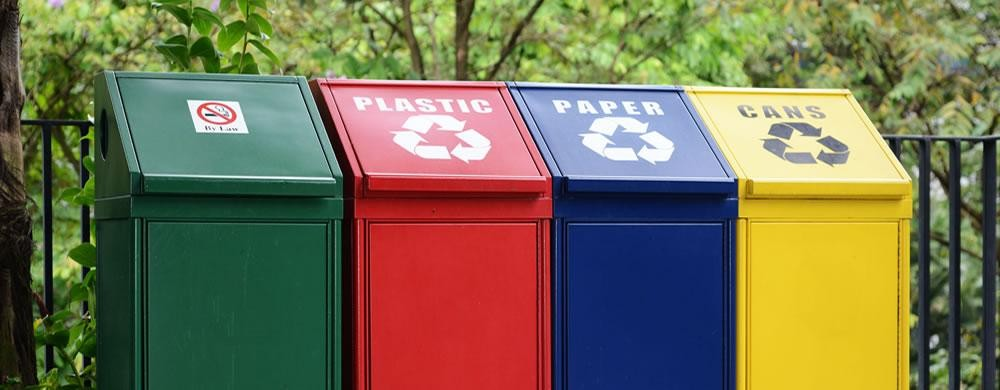
Embracing comprehensive waste management programs that include source segregation, recycling initiatives, and composting systems can divert a significant amount of waste from landfills. Facilities can promote recycling by placing recycling bins throughout the premises and educating occupants about proper waste disposal practices. Partnering with waste management providers who prioritize recycling, and sustainable disposal methods ensures efficient collection, transportation, and disposal of waste.

Waste Management


Indoor Environmental Quality:

Prioritizing occupant health and well-being is crucial in sustainable facility management. Facilities can achieve this by implementing proper ventilation systems that ensure a constant supply of fresh air. Regular air quality monitoring, including the control of pollutants and maintaining humidity levels, contributes to a healthier indoor environment. Using eco-friendly materials and promoting natural lighting can further enhance occupant comfort and well-being.

Indoor Environmental Quality


Sustainable Procurement:

Adopting sustainable procurement practices involves sourcing eco-friendly and socially responsible products and services. Facilities can prioritize suppliers who adhere to sustainable practices, certifications, and standards. This includes procuring energy-efficient appliances, green cleaning products, and sustainable construction materials. By choosing sustainable suppliers, facilities contribute to a more sustainable supply chain and promote the adoption of environmentally friendly practices across industries.

Green Building Certifications:

Facilities can strive to obtain green building certifications, such as LEED (Leadership in Energy and Environmental Design) or BREEAM (Building Research Establishment Environmental Assessment Method). These certifications recognize buildings that meet specific sustainability criteria, including energy efficiency, water conservation, and indoor environmental quality. Achieving these certifications not only validates a facility’s commitment to sustainability but also provides a framework for continuous improvement.

Incorporating sustainable practices into facility management is no longer an option but a necessity in today’s world. By embracing sustainable practices such as energy management, water conservation, waste management, indoor environmental quality, sustainable procurement, and green building certifications, organizations can unlock numerous benefits. From cost savings and enhanced operational efficiency to environmental stewardship and improved reputation, sustainable facility management paves the way for a brighter and more sustainable future.

Sustainably optimizing your facility requires a dedicated partner who understands the intricacies of sustainable facility management.

Supreme Facility Management (SFM) is committed to providing tailored solutions that align with your sustainability goals. By leveraging its expertise and comprehensive approach, SFM can help you achieve your operational and sustainability objectives, ensuring a greener and more efficient facility. operational and sustainability objectives, ensuring a greener and more efficient facility.


LinkedIn Link

https://www.linkedin.com/pulse/importance-sustainable-practices-facility/?trackingId=4OHC8CNEv1ue5y%2B7qrnrbg%3D%3D

Technology in Facility Management

The Influence of Technology on the Facility Management Process | Supreme Facility

What Is The Influence Of Technology On The Facility Management Process In Recent Years?

Evolution of Facility Management and Technology

Over the years, facility management has undergone a significant transformation, largely driven by advancements in technology. These innovations have revolutionized the way facilities are managed, leading to increased efficiency, productivity, and sustainability.

Here are some key technological innovations that have shaped the evolution of facility management:

1. Internet of Things (IoT):

IoT technology has enabled the interconnectivity of devices and sensors, allowing facility managers to monitor and control various aspects of a facility in real time. This includes monitoring energy consumption, occupancy levels, security systems, and equipment performance, leading to proactive maintenance and efficient resource utilization.

2. Cloud Computing:

The adoption of cloud computing has facilitated streamlined data management, enhanced collaboration, and remote access to critical facility information. Facility managers can now securely store and access data, track maintenance activities, and generate comprehensive reports, regardless of their physical location.

3. Artificial Intelligence (AI) and Machine Learning:

AI and machine learning algorithms have the potential to transform facility management processes. These technologies can analyze vast amounts of data, identify patterns, and make predictive recommendations for optimizing energy consumption, space utilization, and maintenance scheduling.

4. Mobile Applications:

Mobile apps have empowered facility managers to access information and perform tasks on the go. They can receive real-time notifications, manage work orders, track inventory, and communicate with stakeholders, improving operational efficiency and response times.

Influence of Technology on Facility Management Processes

The integration of technology into facility management processes has had a profound impact on various aspects of operations.

Here are some key ways in which technology has influenced facility management:

1. Data-Driven Decision-Making:

Technology has enabled the collection and analysis of vast amounts of data, providing facility managers with valuable insights for decision-making. They can identify trends, evaluate performance metrics, and make informed choices to optimize resource allocation and enhance operational efficiency.

2. Predictive Maintenance:

With the help of IoT sensors and AI algorithms, facility managers can predict equipment failures and schedule maintenance activities proactively. This approach minimizes downtime, extends asset lifecycles, and reduces costs associated with reactive maintenance.

3. Energy Management and Sustainability:

Technology solutions have enabled precise monitoring and control of energy consumption within facilities. Real-time data on energy usage helps identify areas of inefficiency, implement energy-saving measures, and support sustainability initiatives, reducing both costs and environmental impact.

4. Space Utilization Optimization:

Through IoT sensors and occupancy tracking systems, facility managers can gain insights into space utilization patterns. This information allows for effective space planning, optimizing the allocation of resources and enhancing employee productivity.

5. Enhanced Security and Safety:

Technology advancements have bolstered security measures in facilities. Access control systems, surveillance cameras, and AI-based analytics can help identify potential security threats and mitigate risks. Additionally, automated alerts and emergency response systems enhance the safety of occupants during critical situations.

Challenges and Considerations in Adopting Technology in Facility Management

While technology brings numerous benefits to facility management, there are also challenges and considerations that organizations must address.

Some key challenges include:

1. Initial Investment:

Adopting new technologies often requires a significant upfront investment. Organizations need to carefully evaluate the costs and benefits to ensure a positive return on investment over the long term.

2. Integration and Compatibility:

Integrating new technologies with existing systems and infrastructure can be complex. Compatibility issues and the need for data synchronization may arise, requiring careful planning and coordination.

3. Staff Training and Change Management:

Implementing new technologies involves training facility management teams to effectively utilize the tools and adapt to new processes. Change management strategies should be in place to ensure a smooth transition and minimize resistance to change.

4. Data Security and Privacy:

With increased reliance on technology and data, maintaining robust security measures and ensuring compliance with data protection regulations are paramount. Organizations must prioritize data security and privacy to safeguard sensitive information.

Future Trends and Emerging Technologies

The future of facility management holds exciting possibilities as technology continues to advance. Some emerging trends and technologies to watch out for include:

1. Robotics and Automation:

The use of robots for routine tasks such as cleaning, maintenance, and security patrol is gaining traction. Robotic process automation (RPA) can also streamline administrative tasks and enhance operational efficiency.

2. Augmented Reality (AR) and Virtual Reality (VR):

AR and VR technologies offer immersive experiences for facility planning, design, and maintenance. They enable virtual walkthroughs, remote inspections, and training simulations, enhancing collaboration and reducing the need for physical presence.

3. Blockchain:

Blockchain technology has the potential to revolutionize facility management by providing a secure and transparent platform for managing contracts, transactions, and asset records. It can streamline processes, enhance accountability, and reduce fraud.

4. Sustainable Solutions:

As sustainability becomes increasingly important, technologies focused on energy efficiency, renewable energy generation, waste management, and green building design will play a crucial role in facility management.

The effective combination of people, processes, and technology is essential for successful facility management. Leveraging technology empowers facility managers to optimize operations, improve productivity, and achieve sustainability goals. By embracing emerging technologies and addressing associated challenges, organizations can stay ahead in an ever-evolving facility management landscape.

Maximize Efficiency with Supreme Facility Management

At Supreme Facility Management (SFM), we understand the importance of integrating people, processes, and technology to deliver exceptional facility management services. Our expertise in leveraging technology, coupled with our dedicated team of professionals, allows us to streamline operations, enhance productivity, and ensure sustainable practices.

Contact SFM today to discover how we can maximize efficiency and elevate your facility management experience.

Hi, How Can We Help You?