
Enquire Now
Facility Managers in Business Continuity Planning

The Role of Facility Managers in Business Continuity Planning

The Role of Facility Managers in Business Continuity Planning: A Comprehensive Overview

A business continuity plan (BCP) is the backbone of an organization’s resilience to unexpected crises. In today’s dynamic financial world where uncertainty abounds, having a robust Business Continuity Plan (BCP) is not only a strategic decision, but a resource essential. Throughout this review, we will look at the importance of facility managers in business continuity management, as well as their role and how they contribute to the efficiency of the projects.

What exactly is Business Continuity Planning?

A business continuity plan (BCP) is more than a collection of procedures. This is a strategic plan that organizations adopt to ensure that critical activities can continue in the event of a crisis. This includes identifying potential risk, recovery strategies, and implementing organizational strategies.

Key Components of Effective Business Continuity Planning (BCP)

Within the rich tapestry of BCP, many elements are woven together to create a sustainable shield for BCP:

  • Risk Assessment:An important part of the BCP is the assessment of potential risks and vulnerabilities in the organization.
  • Emergency Response Plan:A comprehensive and effective disaster response plan.
  • Resource Allocation:It refers to the process of efficiently utilizing assets and personnel to minimize interruptions.
  • Awareness Programs:Drills and awareness programmes are conducted on a regular basis to ensure that all workers are prepared for crises.

What Role Does Facility Management Play in Business Continuity Planning?

Facility Management is crucial in BCP since it addresses the physical parts of corporate operations. This involves assuring the resilience of buildings, equipment, and infrastructure to diverse interruptions.

The Role of Facility Managers in Business Continuity Planning (BCP):

1. Risk Evaluation and Prioritisation

Facilities managers work with risk assessment teams to identify and prioritize asset resources. Risks in physical transactions are analyzed, helping to better focus the organization’s BCP activities. Facilities managers carefully allocate assets based on importance and sensitivity, allowing them to take an appropriate approach to risk mitigation.

2. Collaboration with IT Experts

IT systems are critical to business in today’s corporate world. Facilities managers work together with IT workers to incorporate technology into the BCP. This involves ensuring that data protection systems, recovery processes, and cybersecurity policies are not just in accordance with the BCP, but also strong enough to withstand physical disruption.

3. Develop and Maintain Emergency Plans

Facility managers play a critical role in developing and implementing emergency response plans. These programs include emergency response procedures for everything from natural disasters to unexpected events. Facility managers ensure that the necessary equipment and procedures are provided to effectively handle emergency situations and minimize downtime while guaranteeing worker safety.

4. Participation in Risk Assessment

Throughout the risk assessment process, facility managers play a key role in assessing vulnerabilities associated with physical facilities. This includes testing the structural integrity of the construction, identifying potential failure points and advising on ways to increase resilience. Facility managers’ expertise provides important insight into how facilities can cope with potential risks and enables a proactive approach to risk management.

5. Employee Training Creates a Business Continuity Environment

Facility managers are important in preparing employees for ongoing operations. Exercises are organized and employees are educated on emergency procedures so that they can respond effectively in times of disaster. Facility managers contribute to the overall resilience of the company by fostering a preparation culture.

FAQs about the Role of Facility Managers in Business Continuity Planning (BCP)

Q1. How do facility managers prioritise assets and resources in business continuity planning?

Facility managers prioritize assets by critically assessing their importance to the company’s operations and accounting for potential risks. Assets are allocated based on their importance and vulnerability, allowing targeted and efficient resource allocation.

Q2. How do facility managers collaborate with IT professionals in business continuity planning?

Facilities managers work closely with IT specialists to ensure physical infrastructure aligns with IT requirements. This involves creating an environment that enables workplaces to support technology and withstand physical disruptions to IT systems.

Q3. What role do facility managers play in developing and maintaining emergency response plans?

Facility managers are responsible for planning and implementing emergency management strategies. These plans are living documents that provide specific strategies for handling situations. Industry managers ensure that the system is constantly updated, distributed to all key stakeholders, and aligned with the changing needs of the organization.

Q4. How do facility managers contribute to risk assessment in business continuity planning?

Facility managers assist with risk assessments by completing comprehensive physical vulnerability assessments. Mitigation strategies are recommended and information is provided on how workplaces can survive a potential strike. Facility managers play a key role in developing successful risk management strategies by gaining full access to the physical resources of the risk.

Q5. What role do facility managers play in training employees for business continuity scenarios?

Facility managers play an important role in training employees through regular exercises and awareness programmes. Employees are educated on emergency procedures, and a culture of preparedness is encouraged. Facility managers ensure that every member of the organisation is prepared to respond effectively to ongoing operational conditions in a timely manner through this process.

Conclusion

Facilities managers are the unsung heroes when it comes to business continuity planning. Their activities, from risk assessment to training, contribute significantly to an organization’s resilience. Identifying and applying the skills of facility managers is essential to ensuring continuity in a world of inevitable uncertainty.

Improve Business Continuity with Supreme Facility Management!

Supreme Facilities Management is leading the way in meeting the challenges of business continuity management. Our experienced office managers are committed to protecting your business from harm. Join us to improve your business continuity strategy and secure your future.
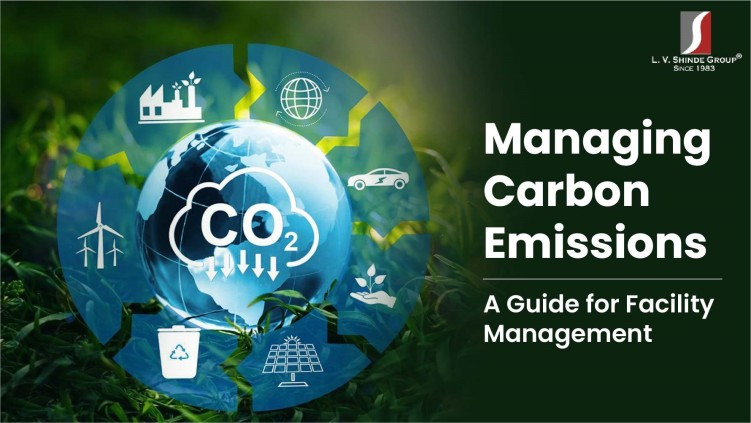

Managing Carbon Emissions: A Guide for Facility Management

Managing Carbon Emissions: A Guide for Facility Management

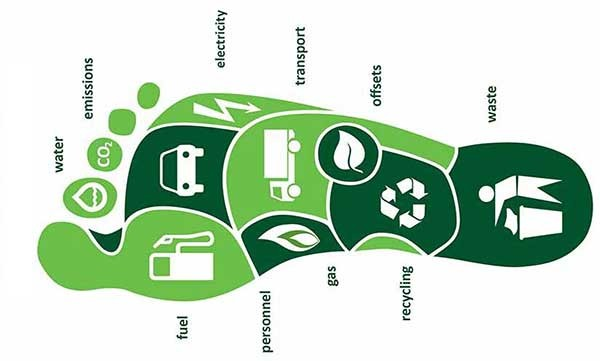
In a time when protecting the environment is of utmost importance, facility management is leading the charge to cut carbon emissions. In this blog post, we will examine the critical part facility management plays in cutting carbon emissions and offer a thorough primer on determining, reducing, and tracking carbon footprints.

Managing Facility Carbon Emissions  

The first step in reducing carbon emissions effectively is to have a thorough understanding of the types and amounts of emissions that are produced during facility management. Energy use, travel, waste disposal, and construction methods all contribute to carbon emissions. Facility managers must begin with a carbon footprint analysis in order to make wise decisions.

Carbon Footprint Analysis for Your Facility

Step 1: Data Collection 

Start by gathering data on the use of energy, building materials, transportation, and waste. A solid foundation of comprehensive data is needed for an accurate assessment.

Step 2: Determine the emissions

Utilizing industry-accepted emission factors, determine the carbon emissions for each category. Consider Scope 1, 2, and 3 emissions for a holistic view.

Step 3: Determine the Key Sources 

Identify the main emissions sources located within your facility. Energy use, waste production, transportation, and construction are typical sources.

Step 4. Establish Baseline Metrics 

For each emission source, establish baseline metrics. For upcoming cuts, this serves as a benchmark.


 Significant Sources of Carbon Emissions  

– Energy Consumption: A large portion of carbon emissions are caused by heating, cooling, lighting, and equipment use.

– Transportation: Emissions from employee commutes and business travel are significant.

– Waste Management: Waste destined for landfills and ineffective recycling techniques can produce a lot of emissions.

– Sustainable building practices: The design, building, and renovation decisions made for a facility have an impact on emissions.


Techniques for Cutting Carbon Emissions  

 Energy-saving measures 

Utilize HVAC, lighting, and other equipment that is energy-efficient. Maintain your equipment regularly and spend money on energy-saving innovations.

Movement and Getting Around  

Encourage green transportation strategies like carpooling and biking. Think about using an electric vehicle fleet for business travel.

Management of Waste 

Improve the methods for recycling and waste separation. Using environmentally friendly purchasing methods, reduce waste production.

Sustainability in Building 

Use environmentally friendly building materials and construction methods. Renovating for energy efficiency and renewable energy sources is something to think about.

Implementing and Monitoring Carbon Emission Reduction Initiatives  

Plan for Implementation 

Create a thorough carbon reduction strategy that is customized for your facility. Assign responsibilities and establish attainable benchmarks.

Observation and Reporting 

Put in place real-time monitoring systems to monitor development. Inform stakeholders and staff members on emissions reductions on a regular basis.

Conclusion  

Reducing carbon emissions in facility management is not just an environmental responsibility; it’s a strategic imperative. By understanding emissions sources, implementing sustainable practices, and continuously monitoring progress, facility managers can lead the way toward a greener, more sustainable future.

 In Need of Services for Managing Facilities?  

If you’re looking for a partner to help manage your facilities while minimizing your carbon footprint, Supreme Facility Management is here for you. Our commitment to sustainability, efficiency, and excellence makes us the ideal choice for environmentally-conscious facility management.

Join us in creating a cleaner, greener world.


LinkedIn Link

https://www.linkedin.com/pulse/managing-carbon-emissions-guide-facility/?trackingId=RCZrWDW4l18VNGpG8SDlKw%3D%3D

ChatGPT for Facility Management: All You Need To Know!

ChatGPT for Facility Management: All You Need To Know!

In today’s fast-paced world, facility management plays a crucial role in ensuring the smooth and efficient operation of buildings and infrastructures. Technology has been driving significant advancements in this field, and one such powerful tool is Chat GPT (Generative Pre-trained Transformer).

Chat GPT is an AI-based language model capable of understanding and generating human-like text.

In this blog, we will explore the implementation of Chat GPT in facility management, its benefits, real-world applications, and best practices, as well as the challenges and limitations it brings.

Benefits of using Chat GPT in Facility Management.

– 24/7 Availability: Unlike human operators, Chat GPT operates 24/7, ensuring continuous support and immediate responses to critical facility-related queries and emergencies.

– Efficient Work Order Management: Chat GPT can create and prioritize work orders based on user input, streamlining the maintenance process and ensuring timely resolutions.

– Data-Driven Insights: By analyzing user interactions, Chat GPT can generate valuable data and insights, helping facility managers identify trends, areas for improvement, and optimize resource allocation.

– Time and Cost Savings: Automating routine tasks with Chat GPT frees up human resources, allowing facility managers to focus on more complex issues, leading to cost and time savings.

Real-World Applications of Chat GPT in Facility Management

1.Problem-Solving and Troubleshooting: Facility managers often encounter various challenges and maintenance issues. ChatGPT can provide quick solutions and troubleshooting steps for common problems, helping facility managers address issues promptly.

2.Maintenance Planning: ChatGPT can assist in creating maintenance schedules and plans based on historical data and industry best practices. It can help facility managers prioritize tasks, allocate resources, and optimize maintenance routines.

3.Energy Efficiency: Managing energy consumption is a significant aspect of facility management. ChatGPT can suggest energy-saving strategies, recommend equipment upgrades, and provide insights into optimizing energy usage.

4.Regulatory Compliance: Keeping up with regulations and compliance requirements can be complex. ChatGPT can provide information on relevant regulations, help with understanding compliance standards, and offer guidance on necessary documentation.

5.Training and Knowledge Sharing: ChatGPT can act as a training resource for facility managers and staff. It can provide information on best practices, industry regulations, or new technologies in facility management. Additionally, ChatGPT can assist in onboarding new staff members by answering their questions and providing guidance on various procedures and protocols.

6.Space Planning and Utilization: Efficient space utilization is crucial. ChatGPT can help facility managers plan layouts, allocate spaces, and suggest ways to optimize the use of available areas.

7.Emergency Response Planning: During emergencies, having access to quick information is vital. ChatGPT can guide emergency response plans, evacuation procedures, and safety protocols.

8.Data Analysis: Facility management involves a lot of data. ChatGPT can assist in analyzing data trends, generating reports, and providing insights to aid decision-making.

9.Training and Knowledge Sharing: New facility managers or staff members might require training and orientation. ChatGPT can provide onboarding information, answer questions, and offer guidance on standard operating procedures.

10.Documentation and Record-Keeping: Keeping accurate records is crucial for audits and historical reference. ChatGPT can help in drafting documentation, recording maintenance activities, and organizing information for easy retrieval.

11.Sustainability Initiatives: Facility managers often play a role in sustainability efforts. ChatGPT can suggest eco-friendly practices, recommend green technologies, and offer insights into sustainable operations.

12.Feedback and Improvement: ChatGPT can gather feedback from facility users, analyze suggestions, and provide insights for continuous improvement of facility services and operations.

Best Practices for Integrating Chat GPT into Facility Management

– Regular Updates: Keep the Chat GPT model updated with the latest data and maintenance insights to improve its performance over time

– Feedback Mechanism: Establish a feedback mechanism for users to report any issues with Chat GPT and identify areas for improvement.

– Human Oversight: While Chat GPT is highly capable, it is essential to have human oversight to handle complex situations and ensure the accuracy of responses.

Incorporating Chat GPT into facility management empowers organizations to deliver unmatched service and streamline their operations. By adopting this cutting-edge technology, facility managers can achieve optimal performance, cost savings, and enhanced occupant satisfaction, ultimately elevating their facility management practices to new heights.

LinkedIn Link
https://www.linkedin.com/pulse/chatgpt-facility-management-all-you/?trackingId=2M7wNifzMT8TPAjDNp7OMA%3D%3D

AI in Facility Management: All You Need to Know!

AI in Facility Management: All You Need to Know!

Artificial Intelligence (AI) is reshaping various industries, and facility management is no exception. The integration of AI technologies into facility management processes has revolutionized how buildings and infrastructures are managed, leading to improved efficiency, cost savings, and enhanced user experiences. In this blog, we will delve into the world of AI in facility management, exploring its definition, role, benefits, key technologies, challenges, future trends, and ethical considerations.

Artificial Intelligence (AI) and Facility Management

AI is a branch of computer science that aims to create intelligent machines capable of simulating human-like cognitive processes such as learning, reasoning, and problem-solving. In the context of facility management, AI leverages data analysis, automation, and predictive capabilities to optimize operations, enhance decision-making, and ensure a seamless facility experience for occupants.

How AI Works In The Context Of Facility Management?

In facility management, AI systems utilize data from various sources, such as IoT devices, sensors, and historical records, to gain insights into building performance, occupancy patterns, and maintenance requirements. Machine learning algorithms analyze this data to make predictions, identify trends, and automate processes, enabling facility managers to make informed decisions and optimize resource allocation.

1.Smart Building Automation: AI-driven systems can control and optimize various building functions, including lighting, HVAC (Heating, Ventilation, and Air Conditioning), and security. These systems can adapt to changing conditions and occupancy levels to reduce energy consumption while maintaining comfort and security.

2.Predictive Maintenance: AI can predict equipment failures by analyzing data from sensors and historical maintenance records. This enables facility managers to perform maintenance tasks proactively, reducing downtime and preventing costly breakdowns.

3.Energy Management: AI can analyze energy usage patterns and recommend strategies for reducing consumption. Machine learning algorithms can optimize HVAC and lighting schedules based on occupancy and external conditions, leading to significant energy savings.

4.Space Optimization: AI-powered software can help optimize space utilization within a facility. By analyzing data on how different areas are used, facility managers can make informed decisions about office layouts, desk assignments, and meeting room scheduling.

5.Security Enhancement: AI-driven security systems can identify and respond to security threats i. Facial recognition, access control, and video analytics can help enhance building security by identifying unauthorized access and suspicious activities.

6.Occupant Comfort: AI can enhance occupant comfort by adjusting temperature, lighting, and air quality based on individual preferences and occupancy. Smart thermostats and sensors can create a more comfortable environment while reducing energy waste.

7.Data Analytics: AI can analyze vast amounts of data from various sources, such as sensors, cameras, and maintenance logs, to provide insights that can help facility managers make data-driven decisions. This can include identifying trends, optimizing resource allocation, and improving overall building performance.

8.Virtual Assistants and Chatbots: Virtual assistants and chatbots powered by AI can provide quick responses to occupant requests and inquiries, such as reporting maintenance issues or requesting room reservations. This enhances communication and responsiveness within the facility.

9.Sustainability Initiatives: AI can help facilities meet sustainability goals by monitoring and optimizing resource usage, reducing energy consumption, and minimizing waste. This aligns with the growing emphasis on green and sustainable building practices.

10.Cost Savings: By optimizing operations, reducing energy waste, and minimizing maintenance costs, AI in facility management can lead to significant cost savings over time.

Key AI Technologies Shaping Facility Management

  • Machine Learning: Powers predictive maintenance, anomaly detection, and data analysis to improve decision-making.
  • Natural Language Processing (NLP): Enables AI-powered chatbots and virtual assistants for enhanced occupant communication and support.
  • Computer Vision: Facilitates facial recognition, occupancy tracking, and security monitoring in facility environments.
  • Internet of Things (IoT) Integration: Connects devices and sensors to gather real-time data for AI-driven analysis and automation.

Future Trends and Predictions for AI in Facility Management

The future of AI in facility management looks promising, with several trends shaping the industry. These include further advancements in predictive maintenance, increased integration of AI with intelligent building technologies, the emergence of AI-powered autonomous robots for facility tasks, and the development of AI-driven sustainability initiatives for greener buildings.

FAQs about AI in Facility Management

Q1.How does AI help in reducing energy consumption and operational costs?

AI-driven energy optimization algorithms analyze building usage patterns and environmental factors to adjust energy consumption, resulting in reduced costs and enhanced efficiency.

Q2.How does AI improve safety and security in facilities?

AI-powered surveillance systems with computer vision capabilities can detect unusual activities, and potential security threats, and respond promptly to ensure the safety of occupants.

Q3.How can AI-driven systems help in the early detection of potential hazards and risks?

AI can analyze historical data and sensor inputs to identify anomalies and patterns, enabling early detection of potential hazards and risks, such as equipment failures or safety issues.

Q4.How does IoT integration benefit facility management processes?

IoT integration provides real-time data from sensors and devices, allowing AI systems to optimize operations, perform predictive maintenance, and enhance overall facility management efficiency.

Q5.What are the ethical considerations in using AI for facility management decision-making?

Ethical considerations in AI use involve data privacy, ensuring transparency in AI decision-making, addressing biases, and taking responsibility for the outcomes of AI-driven decisions.

AI is transforming the landscape of facility management, offering immense potential for cost savings, efficiency improvements, and enhanced occupant experiences. Embracing AI technologies while being mindful of challenges and ethical considerations can help facility managers pave the way for a smarter, more sustainable future of facility management.

Embrace the Future of Facility Management

LinkedIn Link
https://www.linkedin.com/pulse/ai-facility-management-all-you-need/?trackingId=68Xtqcva2TlKytdqq1Vn7w%3D%3D

HVAC Trends 2024

HVAC Trends: What to Watch for in 2024

HVAC Trends: What to Watch for in 2024

What is HVAC?

HVAC stands for Heating, Ventilation, and Air Conditioning. It refers to the technology and systems used for indoor environmental comfort. HVAC systems are made to regulate humidity, air quality, and temperature in buildings, houses, cars, and other enclosed places in addition to providing heating and cooling.

The HVAC industry is a developing zone with great potential for HVAC professionals and business proprietors. To keep up with the increase, it’s essential to stay updated with the modern-day HVAC enterprise developments.

Why are HVAC Trends Important?

In today’s rapidly changing world, staying up-to-date with HVAC (Heating, Ventilation, and Air Conditioning) trends is essential for businesses and individuals alike. HVAC systems play a pivotal role in ensuring indoor comfort, air quality, and energy efficiency. With the advancement of technology and increasing awareness of environmental concerns, the HVAC landscape is constantly evolving.

Being aware of these trends isn’t just a matter of staying ‘cool’ or ‘warm’; it’s about optimizing energy use, reducing carbon footprints, and improving the overall quality of life. So, why are HVAC trends important?

Let’s explore how staying informed about the latest developments in HVAC can translate into benefits for both your comfort and the planet.

HVAC Trends to Watch for in 2024

Here are the maximum outstanding HVAC industry tendencies to observe for 2024:

1. The Rise of Smart HVAC Systems

Smart HVAC systems have been at the upward push for a while, and they are nevertheless on the top of the listings for new developments in the HVAC industry. These systems use the IoT era, allowing house owners to govern their heating and cooling remotely, which provides a handier and efficient way of managing their HVAC systems. With smart HVAC structures, you may set your heating and cooling alternatives primarily based on your schedule, ensuring your house is continually on the desired temperature. Moreover, clever HVAC systems provide insights into energy utilization, permitting homeowners to lessen energy consumption and spend money on utility bills.

2. Optimizing HVAC Using Data-Driven Approach

Data-driven HVAC optimization has been gaining popularity in recent years. This technique includes gathering statistics on HVAC systems, studying them, and then the usage of the insights won to optimize the gadget’s overall performance. This approach is more efficient than conventional bodily-based methods, which can be time-consuming and costly. Data-driven optimization allows HVAC contractors to diagnose problems extra quickly, reducing the time required to fix troubles and enhancing common machine performance.

3. Geothermal Heat Pumps Awaiting Their Moment

Geothermal heat pumps use the earth’s natural heat to heat or cool a building, making them an eco-friendly and efficient alternative to conventional HVAC systems. While the number of geothermal warmness pumps set up each year has remained consistent at 50,000, professionals are expecting that this quantity may want to upward thrust as greater house owners and business owners look for options to conventional heating and cooling structures.

4. AI Meets HVAC

Artificial intelligence (AI) has been making its way into diverse industries, and the latest traits in the HVAC industry are no exception. AI might be used to supervise operational device capability in HVAC structures, as a consequence increasing thermal comfort. With the growing availability of facts and advances in AI generation, it’s best a rely on time earlier than AI becomes a well-known function in HVAC structures.

5. Focus on Green Consumerism

Today’s patron needs greener products more than ever. HVAC organizations need to take note of this fashion, specifically when everyone is introducing new laws to combat climate change. If your HVAC era is not as power efficient as it has to be, there’s no longer a time to shift to greener generation

6. Ductless HVAC Will Continue to Grow

Ductless systems inclusive of ductless mini splits can provide heating and cooling in one unit, decreasing the need to pay two times for installation and preservation. Ductless technology consisting of mini splits can warm or cool in specific regions called zones, which makes for a greater electricity-green device.

7. AR will revolutionize HVAC maintenance efficiency

Augmented reality (AR) could transform HVAC maintenance and repair by providing real-time data and simulation tools to engineers. Remote assistance through AR can connect technicians and skilled workers to guide them through complex maintenance, saving time and money.

8. Digital zoning and remote work

Digital zoning allows homeowners to divide their home into multiple zones with separate heating settings. This technology uses thermostats and smart sensors to detect occupants and adjust the temperature accordingly, reducing energy consumption and improving personal comfort as remote work becomes more common, homeowners spend time many stay at home and their HVAC systems are more common.

Conclusion

By embracing these trends and investing in new technologies, HVAC companies can get ahead of the game and provide better services to their customers. Staying abreast of these trends is essential to success in this dynamic industry. The future of HVAC looks bright, and we can see a lot of exciting things in the coming years.

In the HVAC world, change is the only constant. Looking ahead to 2024, the above factors will continue to redefine the industry. The adoption of smart technologies, the quest for sustainability, and the demand for clean air are all important for HVAC projects. Consult with experts who are well-versed in these areas to ensure you stay ahead of these developments.

Contact Supreme Facility for Sustainable HVAC Solutions!

Contact Supreme Facility Management for sustainable HVAC solutions and take a step towards a more efficient, environmentally friendly and comfortable future.

Hi, How Can We Help You?