

Enquire Now
Effective Facility Management: Integrating People, Processes, Technology

How Can Facility Managers Effectively Combine People, Processes, And Technology In Their Work? | Supreme Facility

How Can Facility Managers Effectively Combine People, Processes, And Technology In Their Work?

Facility Management

Facility management plays a vital role in maintaining efficient and productive environments. It encompasses various aspects of overseeing and optimizing facilities, including infrastructure, operations, and services.

To achieve success in facility management, it is crucial to effectively combine three key elements: People, Processes, and Technology. By leveraging these components harmoniously, facility managers can unlock the full potential of their facilities and enhance overall performance.

Related Blog: What is Facility Management? Here’s All You Need To Know About FMS!

Importance of Combining People, Processes, and Technology

In the dynamic field of facility management, the integration of people, processes, and technology is essential for achieving operational excellence. This synergy enables organizations to streamline operations, drive efficiency, improve cost-effectiveness, and deliver exceptional experiences for occupants and stakeholders.

Here are some key reasons highlighting the importance of combining these three elements:

1. Enhancing Collaboration:

Bringing together people, processes, and technology fosters collaboration and effective communication across teams, departments, and stakeholders. This synergy promotes cross-functional cooperation, knowledge sharing, and collective decision-making.

2. Driving Efficiency:

Integrating people, processes, and technology optimizes workflows, eliminates redundancies, and minimizes errors. It enables streamlined operations, reduces downtime, and maximizes resource utilization, leading to increased productivity and cost savings.

3. Empowering Innovation:

The combination of people, processes, and technology creates a fertile ground for innovation. By encouraging creativity and leveraging technological advancements, facility managers can identify opportunities for continuous improvement and implement innovative solutions that drive sustainable growth.

4. Enhancing Customer Experience:

When people, processes, and technology align seamlessly, it results in a superior customer experience. Whether it’s occupants, employees, or visitors, a well-managed facility that leverages efficient processes and technology positively impacts their satisfaction, well-being, and overall perception of the organization.

5. Enabling Data-Driven Decision Making:

The integration of technology facilitates data collection, analysis, and insights. By leveraging data-driven decision-making processes, facility managers can gain valuable insights into facility performance, identify trends, and make informed decisions to optimize operations and resource allocation.

The Role of People in Facility Management

While processes and technology are integral to facility management, the role of people cannot be underestimated.

Here are key ways in which people contribute to effective facility management:

1. Expertise and Skill Sets:

Facility management professionals bring specialized knowledge, skills, and expertise in various areas such as maintenance, operations, safety, and sustainability. Their expertise is vital for executing tasks, managing teams, and ensuring compliance with regulations and industry standards.

2. Communication and Collaboration:

People foster effective communication and collaboration among stakeholders, including occupants, employees, vendors, and management. They act as a bridge between different parties, ensuring smooth coordination, addressing concerns, and fostering positive relationships.

3. Leadership and Management:

Facility managers play a critical role in leading teams, managing resources, and driving strategic initiatives. Their leadership abilities, decision-making skills, and problem-solving capabilities contribute to the overall success of facility management efforts.

4. Customer Service and Satisfaction:

People in facility management roles are at the forefront of delivering services and experiences to occupants and visitors. Their customer-centric approach, responsiveness, and attentiveness contribute to a positive experience and high levels of satisfaction.

Streamlining Processes for Efficient Facility Management

Efficient processes are the backbone of effective facility management. Streamlining processes involves assessing and optimizing workflows to ensure they are well-defined, standardized, and aligned with organizational goals.

Here are key steps for streamlining processes in facility management:

1. Process Mapping:

Identify and document existing processes, including their inputs, outputs, and key activities. This helps gain clarity on current workflows and identify areas for improvement.

2. Analysis and Evaluation:

Analyze existing processes to identify bottlenecks, inefficiencies, and opportunities for enhancement. Evaluate process performance metrics and benchmark against industry standards and best practices.

3. Standardization and Documentation:

Develop standardized procedures, guidelines, and documentation for each process. This promotes consistency, ensures compliance, and facilitates knowledge sharing among team members.

4. Automation and Technology Integration:

Leverage technology solutions and automation tools to streamline processes, automate repetitive tasks, and improve accuracy. This allows facility managers to focus on strategic activities and decision-making.

Leveraging Technology in Facility Management

Technology plays a pivotal role in modern facility management. It offers a wide range of tools and solutions that enhance operational efficiency, facilitate data management and analysis, and enable effective decision-making.

Here are key areas where technology can be leveraged in facility management:

1. Computerized Maintenance Management Systems (CMMS):

CMMS software streamlines maintenance activities, tracks work orders, schedules preventive maintenance, and manages inventory and assets.

2. Integrated Workplace Management Systems (IWMS):

IWMS platforms provide a comprehensive solution for facility management, integrating various functions such as space management, maintenance, lease management, and sustainability.

3. Internet of Things (IoT):

IoT devices and sensors enable real-time monitoring of facility conditions, equipment performance, and energy usage. This data helps identify anomalies, optimize resource utilization, and enhance maintenance practices.

4. Building Information Modeling (BIM):

BIM technology enables the creation and management of digital representations of facilities. It facilitates collaborative design, construction, and maintenance processes, improving accuracy and efficiency.

5. Data Analytics and Predictive Maintenance:

Advanced analytics and predictive maintenance algorithms leverage data to identify patterns, predict equipment failures, and optimize maintenance schedules, leading to cost savings and improved reliability.

Synergizing People, Processes, and Technology

To achieve optimal facility management outcomes, it is crucial to foster synergy between people, processes, and technology.

Here are key approaches to facilitate this synergy:

1. Training and Development:

Provide training and development opportunities to equip facility management professionals with the necessary skills and knowledge to leverage technology and execute processes effectively.

2. Cross-Functional Collaboration:

Encourage collaboration and communication across teams, departments, and stakeholders to foster a holistic understanding of facility management goals and align people, processes, and technology accordingly.

3. Continuous Improvement:

Embrace a culture of continuous improvement where feedback, lessons learned, and best practices are shared and incorporated into processes and technology implementation.

4. Data-Driven Decision Making:

Leverage technology-enabled data analytics to gain insights and drive informed decision-making. Encourage data-driven approaches to evaluate performance, identify improvement areas, and optimize resource allocation.

Best Practices for Facility Managers

To effectively combine people, processes, and technology, facility managers can follow these best practices:

  • Foster a collaborative and inclusive work environment that encourages cross-functional teamwork and knowledge sharing.
  • Continuously assess and optimize processes to enhance efficiency, reduce costs, and improve service quality.
  • Regularly evaluate and adopt technology solutions that align with organizational goals and enable seamless integration with existing systems.
  • Invest in ongoing training and development to enhance the skills and capabilities of facility management teams.
  • Embrace sustainability initiatives by leveraging technology and processes that promote energy efficiency, waste reduction, and environmental stewardship.

By effectively combining people, processes, and technology, facility managers can unlock the full potential of their facilities and drive operational excellence. This holistic approach enables organizations to optimize resource utilization, enhance customer experiences, and achieve sustainable growth.

Ready to Level Up Your Facility Management?

Partner with Supreme Facility Management, a leading facility management provider, to harness the power of people, processes, and technology for effective facility management. With SFM’s expertise, innovative solutions, and commitment to excellence, you can elevate your facility management practices and unlock new levels of efficiency, productivity, and success.
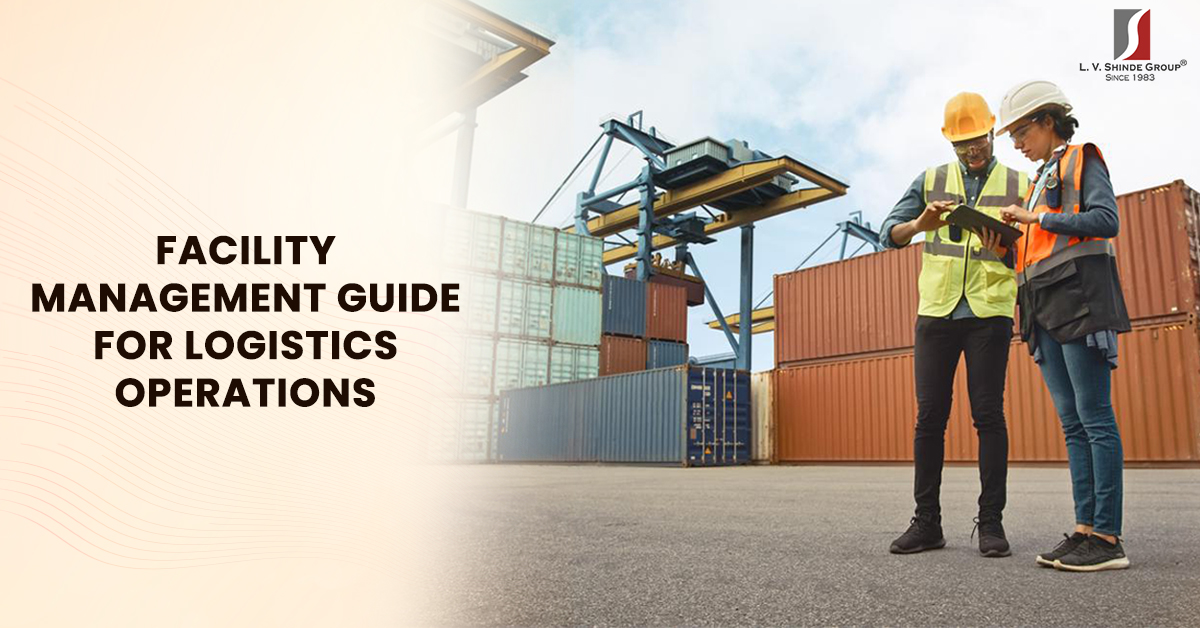
Facility Management Guide for Logistics Operations

Facility Management Guide for Logistics Operations: Types, Benefits, Objectives, Checklist | Supreme Facility

Facility Management Guide for Logistics Operations


Facility management plays a critical role in optimizing logistics operations, ensuring smooth and efficient supply chain management. Effective facility management not only enhances operational productivity but also contributes to cost savings and customer satisfaction. In this comprehensive guide, we will explore the significance of facility management in logistics, the types of facilities involved, the benefits it offers, the challenges faced, facility planning and design considerations, key components of facility management, best practices to adopt, and emerging trends in the field. Let’s delve into the world of logistics facility management and discover how Supreme Facility Management (SFM) can maximize your logistics operations.

Facility Management in Logistics Operations

Facility management encompasses a range of activities focused on the maintenance, operation, and optimization of logistics facilities. These facilities can include warehouses, distribution centers, transportation hubs, and other logistics-related infrastructure. Effective facility management ensures the seamless coordination of various processes, such as inventory management, order fulfillment, transportation, and facility maintenance, to enable efficient logistics operations.

The Role of Facility Management in Logistics

Facility management plays a pivotal role in supporting logistics operations. Its key responsibilities include:

1. Ensuring Facility Readiness:

Facility managers are responsible for ensuring that logistics facilities are well-maintained, adequately equipped, and prepared to handle operational requirements. They oversee maintenance schedules, repairs, and equipment upgrades to minimize downtime and maximize facility readiness.

 2. Optimizing Space Utilization:

Facility managers strategically plan and manage the layout of logistics facilities to optimize space utilization. This includes organizing storage areas, implementing efficient material flow, and ensuring easy access to inventory. Effective space management minimizes congestion, improves operational efficiency, and reduces costs.

3. Safety and Security:

Facility managers prioritize safety and security measures within logistics facilities. They implement protocols to safeguard personnel, inventory, and equipment. This includes conducting regular safety inspections, installing surveillance systems, implementing access control measures, and training staff on safety procedures.

4. Compliance and Regulatory Requirements:

Facility managers ensure that logistics operations adhere to relevant regulatory and compliance standards. They stay updated on industry regulations and maintain proper documentation, licenses, and permits. Compliance with environmental, health, and safety regulations is crucial to mitigate risks and maintain ethical operations.

Types of Facilities in Logistics Operations

Logistics operations involve various types of facilities, each serving a specific purpose within the supply chain. Here are some common types of logistics facilities:

1. Warehouses:

Warehouses serve as central hubs for storing and distributing goods. They often include storage racks, loading docks, and material handling equipment to facilitate efficient inventory management and order fulfillment.

2. Distribution Centers:

Distribution centres focus on the rapid sorting, packaging, and distribution of goods to meet customer demands. These facilities are strategically located to optimize transportation networks and enable timely order delivery.

3. Transportation Hubs:

Transportation hubs, such as ports, airports, and rail terminals, are crucial for logistics operations involving intermodal transportation. These hubs facilitate the movement of goods between different modes of transportation, ensuring smooth transitions and efficient connectivity.

4. Cross-Docking Facilities:

Cross-docking facilities minimize inventory storage time by facilitating direct transfers of goods from inbound to outbound vehicles. This approach reduces handling costs, streamlines order fulfillment, and accelerates product flow through the supply chain.

5. Cold Storage Facilities:

Cold storage facilities maintain controlled temperatures to store perishable goods, such as food and pharmaceuticals. These facilities incorporate specialized cooling systems and monitoring equipment to preserve product quality and integrity.

Benefits of Effective Facility Management in Logistics Operations

Effective facility management in logistics operations offers several significant benefits:

 1. Improved Operational Efficiency:

Streamlined processes, optimized space utilization, and well-maintained facilities result in improved operational efficiency. By reducing bottlenecks and enhancing workflow, facility management contributes to faster order fulfillment and reduced lead times.

2. Cost Savings:

Efficient facility management helps minimize operational costs through effective space utilization, optimized inventory management, and proactive maintenance. By eliminating waste and improving resource allocation, costs associated with storage, transportation, and maintenance can be reduced.

 3. Enhanced Customer Satisfaction:

Timely order fulfillment, accurate inventory management, and reliable logistics services contribute to enhanced customer satisfaction. By ensuring seamless operations and meeting delivery commitments, facility management plays a crucial role in customer retention and loyalty.

 4. Safety and Risk Mitigation:

Proper safety measures and risk management protocols within logistics facilities reduce the likelihood of accidents, product damage, and security breaches. Facility managers prioritize safety training, implement safety guidelines, and perform regular audits to ensure a safe working environment.

5. Scalability and Adaptability:

Effective facility management enables logistics operations to scale and adapt to changing business needs. By designing flexible layouts and implementing modular systems, facilities can be easily modified to accommodate fluctuations in demand, product variety, and operational requirements.

Challenges of Facility Management in Logistics Operations

While facility management offers numerous benefits, it also comes with its share of challenges. Some common challenges include:

1. Space Constraints:

Limited availability of warehouse and storage space can pose challenges in organizing inventory and accommodating growth. Facility managers must optimize space utilization and explore creative storage solutions.

2. Technological Integration:

Incorporating advanced technologies, such as Warehouse Management Systems (WMS) and automation, can be complex and require substantial investments. Facility managers must navigate the integration process effectively to leverage the benefits of technology.

 3. Workforce Management:

Recruiting, training, and retaining skilled facility personnel can be challenging. Facility managers need to establish effective training programs, foster a positive work culture, and implement performance evaluation systems.

4. Regulatory Compliance:

Meeting regulatory requirements, such as safety standards, environmental regulations, and labor laws, can be demanding. Facility managers must stay updated on relevant regulations and ensure compliance within logistics facilities.

 5. Sustainability and Energy Efficiency:

Achieving sustainable facility operations and reducing energy consumption is an ongoing challenge. Facility managers need to implement energy-efficient systems, explore renewable energy sources, and adopt eco-friendly practices.

 Facility Planning and Design in Logistics Operations

Effective facility planning and design are crucial for optimizing logistics operations. Considerations for facility planning include:

1. Location:

Logistics facilities should be strategically located to minimize transportation costs, improve accessibility, and ensure proximity to key markets or transportation networks.

2. Layout and Flow:

The layout of logistics facilities should facilitate efficient material flow, minimize congestion, and promote worker safety. Facility managers must consider factors such as product flow paths, storage density, and ergonomic considerations.

3. Scalability:

Facilities should be designed with scalability in mind to accommodate future growth and changing operational requirements. Modular designs and flexible layouts enable easy expansion or reconfiguration.

4. Technology Integration:

Facility managers need to assess and integrate appropriate technologies, such as inventory tracking systems, automation, and robotics, to enhance operational efficiency and accuracy.

Components of Facility Management in Logistics Operations

Effective facility management comprises several key components:

1. Maintenance and Repairs:

Regular maintenance and prompt repairs are essential to ensure optimal facility performance. Facility managers schedule routine maintenance tasks, monitor equipment conditions, and address repair needs promptly.

2. Inventory Management:

Efficient inventory management involves accurate tracking, proper storage, and effective order fulfillment. Facility managers implement inventory control systems, conduct regular cycle counts, and optimize storage layouts.

3. Vendor and Contract Management:

Facility managers coordinate relationships with external vendors, negotiate contracts, and ensure compliance with service-level agreements. They also evaluate vendor performance and explore cost-saving opportunities.

4. Performance Metrics and Reporting:

Facility managers track key performance indicators (KPIs) related to facility operations, such as order accuracy, on-time delivery, and facility utilization. Regular reporting and analysis enable data-driven decision-making and continuous improvement.

5. Safety and Security:

Safety protocols, emergency preparedness plans, and security measures are essential components of facility management. Facility managers implement safety training programs, conduct regular safety drills, and monitor access control systems.

 Environmental Sustainability:

Facility managers promote environmentally sustainable practices by implementing recycling programs, energy-saving initiatives, and waste reduction strategies. They explore opportunities for renewable energy adoption and monitor environmental impact.

Best Practices in Facility Management for Logistics Operations

To achieve excellence in facility management, logistics operations can adopt the following best practices:

1. Regular Maintenance:

Implement proactive maintenance schedules to minimize equipment downtime and prevent costly repairs. Regularly inspect and maintain facility infrastructure, machinery, and systems.

2. Data-Driven Decision-Making:

Utilize data analytics and performance metrics to identify areas for improvement, optimize processes, and make informed decisions regarding facility management strategies.

3. Continuous Improvement:

Foster a culture of continuous improvement by encouraging feedback from facility personnel, conducting regular performance evaluations, and implementing process optimization initiatives.

4. Training and Development:

Provide comprehensive training programs to facility personnel to enhance their skills, knowledge, and efficiency. Foster a learning environment that encourages professional development and promotes cross-functional collaboration.

5. Collaboration and Communication:

Foster effective communication and collaboration between facility managers, staff, and other stakeholders. Clear communication channels facilitate prompt issue resolution, decision-making, and overall operational efficiency.

Effective facility management is vital for optimizing logistics operations. By ensuring facility readiness, optimizing space utilization, prioritizing safety and security, and adhering to regulatory requirements, logistics facilities can achieve operational excellence. Incorporating best practices and leveraging technological advancements enable logistics operations to stay competitive, meet customer expectations, and adapt to evolving market trends. Embrace the power of Supreme Facility Management to unlock the full potential of your logistics operations.

FAQs about Facility Management in Logistics Operations

Q1. How can communication and coordination be effectively managed in logistics operations?

Effective communication can be ensured through regular team meetings, utilizing digital communication tools, and establishing clear reporting channels. Coordinating logistics operations requires transparent information sharing and proactive collaboration among all stakeholders involved.


Q2. What is the role of technology in facility management for logistics operations?

Technology plays a crucial role in enhancing facility management in logistics operations. It enables real-time inventory tracking, automation of repetitive tasks, data analytics for decision-making, and optimization of processes for improved efficiency.


Q3. What is the process for selecting and implementing a Warehouse Management System (WMS)?

Selecting and implementing a Warehouse Management System involves assessing business requirements, evaluating available options, conducting demos and trials, and considering factors like scalability, integration capabilities, and user-friendliness. The implementation process includes data migration, training, and post-implementation testing and fine-tuning.


Q4. How can facility managers effectively train and manage facility personnel in logistics operations?

Facility managers can effectively train and manage facility personnel by providing comprehensive onboarding programs, conducting regular training sessions, fostering a culture of continuous learning, setting clear performance expectations, and providing regular feedback and coaching.


Q5. What are some emerging trends in facility management for logistics operations?

Some emerging trends in facility management for logistics operations include the adoption of Internet of Things (IoT) devices for real-time monitoring, implementation of robotics and automation for increased efficiency, integration of artificial intelligence (AI) for predictive analytics, and the use of blockchain technology for enhanced traceability and transparency in supply chains.

Conclusion

Effective facility management is essential for optimizing logistics operations. By understanding the role of facility management, exploring different types of logistics facilities, recognizing the benefits it offers, addressing challenges, and implementing best practices, logistics operations can maximize their efficiency, reduce costs, ensure customer satisfaction, and stay ahead in a dynamic marketplace. Embrace the principles of Supreme Facility Management and witness the transformation of your logistics operations into a well-oiled machine.

Comprehensive Facilities Management Plan for Educational Institutions

How to Create a Comprehensive Facilities Management Plan for Educational Institutions | Supreme Facility

How to Create a Comprehensive Facilities Management Plan for Educational Institutions

Do you know what sets a great educational institution apart from the rest? It’s not just the quality of teaching and research, but also the quality of its facilities. A well-maintained campus with excellent facilities not only attracts more students but also creates a positive learning environment. That’s why developing a comprehensive facilities management plan (FMP) is critical for educational institutions.

What Is a Facilities Management Plan?

A facilities management plan (FMP) is a comprehensive document that outlines the strategies, policies, and procedures for maintaining and managing a facility. It provides a framework for managing various aspects of a facility such as maintenance, safety, security, energy, space, and assets.

Educational institutions are complex environments that require effective management of various facilities, including classrooms, labs, libraries, and sports facilities. A dedicated FMP is essential to ensure the smooth running of these facilities and create a conducive learning environment.

What Is Educational Institutions Facility Management?

Facility management in educational institutions involves the maintenance, management, and operation of the physical assets and infrastructure of schools, colleges, and universities. It includes ensuring that facilities are safe and secure, well-maintained, and efficiently managed.

Facility managers in educational institutions are responsible for the day-to-day management of buildings, equipment, and services. They ensure that these facilities meet the needs of students, staff, and faculty and contribute to the overall success of the institution.

The Role of Facility Management in Educational Institutions

Facility management plays a critical role in ensuring the success of educational institutions. Some of the key roles of facility management in educational institutions include:

  • Maintaining the safety and security of the facility and its occupants
  • Ensuring that the facility is well-maintained and meets regulatory requirements
  • Optimizing energy use to reduce costs and improve sustainability
  • Ensuring efficient space utilization and management to meet the needs of students, staff, and faculty
  • Managing assets and procurement to optimize the use of resources

Elements of Educational Institutions 

A comprehensive FMP for educational institutions should cover various elements of facility management. Here are some of the critical elements of an FMP:

1. Facility Maintenance And Management

This element covers the policies and procedures for maintaining the facility, including preventive maintenance, corrective maintenance, and emergency repairs.

2. Safety And Security

This element covers the policies and procedures for ensuring the safety and security of the facility and its occupants, including fire safety, building security, and emergency preparedness.

3. Energy And Sustainability

This element covers the strategies for optimizing energy use, reducing costs, and improving sustainability, including energy-efficient lighting, heating, and cooling systems.

4.Space Utilization And Management

This element covers the policies and procedures for managing space and ensuring that it is used efficiently and effectively to meet the needs of students, staff, and faculty.

5. Procurement And Asset Management

This element covers the policies and procedures for managing assets and procurement to optimize the use of resources and ensure that the facility has the necessary equipment and supplies.

Developing A Facilities Management Plan

Developing a comprehensive FMP for educational institutions involves several steps. Here are some of the critical steps involved in developing an FMP:

1. Establishing A Facilities Management Committee:

Establishing a committee of key stakeholders is critical to developing an effective FMP. This committee should include representatives from different departments, including facilities, operations, finance, and administration.

2. Conducting A Facilities Assessment:

Conducting a comprehensive assessment of the facility is essential to identify areas that need improvement. This assessment should cover various elements of facility management, including maintenance, safety, security, energy, and space utilization.

3. Setting Goals And Objectives:

Setting clear and measurable goals and objectives is critical to developing an effective FMP. These goals should align with the institution’s overall mission and vision and should be specific, measurable, achievable, relevant, and time-bound.

4. Creating An Action Plan: 

Creating a detailed action plan outlining the strategies, policies, and procedures for achieving the goals and objectives is critical to developing an effective FMP. The action plan should be based on the findings of the facilities assessment and should cover various elements of facility management. It should also include a timeline for implementation, budget, and resource requirements.

5. Implementing The Plan:

Implementing the FMP involves executing the action plan and monitoring progress towards achieving the goals and objectives. It is essential to have a dedicated team responsible for implementing the plan and ensuring that it is executed effectively.

Evaluating And Updating The Facilities Management Plan

Evaluating and updating the FMP is critical to ensure that it remains relevant and effective. It is essential to review the FMP periodically and make necessary adjustments to align with the institution’s changing needs.

The evaluation should involve assessing the FMP’s effectiveness in achieving the goals and objectives and identifying areas that need improvement. Based on the evaluation, the FMP should be updated, and necessary adjustments should be made to ensure that it remains effective.

The Role Of Technology In Facilities Management

Technology plays a significant role in facilities management, and educational institutions can leverage technology to improve the efficiency and effectiveness of their facility management processes. Some of the ways that technology can be used include:

  1. Facility Management Software: Facility management software can help facility managers to automate various processes, including maintenance scheduling, work order tracking, and asset management.


  1. Energy Management Systems: Energy management systems can help to optimize energy use, reduce costs, and improve sustainability by providing real-time monitoring and analysis of energy consumption.


  1. Building Automation Systems: Building automation systems can help to improve the efficiency of building operations by automating various systems, including lighting, heating, and cooling.

Benefits Of Educational Institutions Facility Management

Effective facility management in educational institutions can provide several benefits, including:

  • Ensuring a safe and secure learning environment
  • Enhancing the learning experience by ensuring that facilities meet the needs of students, staff, and faculty
  • Reducing operating costs through improved energy efficiency and resource management
  • Ensuring regulatory compliance and reducing liability risks
  • Improving the overall reputation of the institution

Tips For Effective Educational Institutions Facility Management

Here are some tips for effective facility management in educational institutions:

  • Develop a comprehensive FMP that covers all critical elements of facility management.
  • Establish a dedicated team responsible for managing and implementing the FMP.
  • Leverage technology to improve efficiency and effectiveness.
  • Conduct regular assessments and evaluations to identify areas that need improvement.
  • Foster a culture of safety and sustainability among students, staff, and faculty.

Conclusion

A comprehensive FMP is critical to effective facility management in educational institutions. By developing a comprehensive FMP, educational institutions can ensure that their facilities meet the needs of students, staff, and faculty, create a safe and secure learning environment, and reduce operating costs.

Streamline Your Educational Facility with Our Management Expertise

Are you ready to improve your facility management processes and create a better learning environment for your students? 

Our team of experts can help you streamline your educational facility’s management processes and develop a comprehensive FMP. 

Contact us today to learn more about how we can help you achieve your facility management goals.

Choosing the Right IFM Provider

How to Choose the Right Integrated Facilities Management Provider: A Comprehensive Guide | Supreme Facility

How to Choose the Right Integrated Facilities Management Provider

Integrated Facilities Management (IFM) is a critical business function that ensures the smooth operation of an organization’s facilities and premises. It involves the coordination and management of various aspects, including maintenance, repairs, security, and environmental services. Selecting the right IFM provider is crucial for businesses looking to enhance efficiency, improve customer experience, and reduce costs. In this blog, we’ll discuss the importance of choosing the right IFM provider, provide six ways to choose the best facility management company, and introduce you to Supreme Facility Management (SFM), a top-tier provider of integrated facilities management services.

Why Choose the Right IFM Provider?

Choosing the right IFM provider can have a significant impact on your business’s success. 

Here’s why:

1. Improved Efficiency:

An experienced IFM provider can streamline your facility management process, optimize maintenance schedules, and reduce downtime. This leads to increased efficiency and productivity, enabling you to focus on your core business activities.

2. Enhanced Customer Experience:

A well-maintained facility can improve the customer experience, increase satisfaction, and improve brand reputation. A professional IFM provider can help you achieve this by providing high-quality services, such as cleaning, maintenance, and security.

3. Cost Savings:

The right IFM provider can help you save money by reducing energy costs, optimizing maintenance schedules, and implementing cost-effective solutions. This frees up resources that can be used to grow your business and increase profitability.

4. Regulatory Compliance:

A reputable IFM provider can help you stay compliant with local and national regulations, ensuring a safe and secure workplace. This mitigates risks, such as fines, penalties, and lawsuits, that could harm your business.

5. Customized Solutions:

A good IFM provider can tailor their services to meet your specific needs, ensuring that your facilities are well-maintained and functioning optimally. This leads to better results, improved efficiency, and higher customer satisfaction.

Six Ways to Choose the Best Facility Management Company

1. Identify your Needs:

Before selecting an IFM provider, identify your facility management needs. Create a list of services you require. This helps you narrow down your search and select a provider that can meet your specific needs.

2. Research Potential Providers:

Once you’ve identified your needs, research potential IFM providers in your area. Check their websites, read online reviews, and ask for referrals from other businesses in your industry. This helps you select a reputable and experienced provider.

3. Evaluate Service Offerings:

Review the provider’s service offerings to ensure they align with your needs. Check if they offer 24/7 support, emergency services, and customized solutions. This ensures you receive high-quality services that meet your specific requirements.

4. Review Technology:

Check if the provider uses advanced software, IoT devices, and other technologies to manage your facilities. This leads to better results, improved efficiency, and higher customer satisfaction.

5. Consider Availability and Responsiveness:

Facility management issues can arise at any time, and you need a provider that can respond promptly. Check if the provider offers round-the-clock support, a dedicated account manager, and a fast response time. This ensures your facilities are always well-maintained and functioning optimally.

6. Review Contract Terms and Pricing:

Before signing a contract, review the provider’s terms and pricing. Ensure there are no hidden fees, and the pricing structure is transparent and competitive. This helps you avoid surprises and ensures you receive high-quality services at a fair price.

Improve Your Facility’s Efficiency with Supreme Facility Management (SFM)

At SFM, we understand the importance of selecting the right IFM provider. That’s why we offer customized IFM solutions that are tailored to meet your specific needs. Our experienced team uses advanced technology, best practices, and a customer-centric approach to deliver exceptional service that enhances your facility’s efficiency and productivity.

Our integrated approach to facility management ensures that all aspects of your facility’s operations are streamlined and optimized. From maintenance and repair to cleaning and security, we provide a comprehensive range of services that are designed to meet your specific needs. Our team of experts works closely with you to identify areas where improvements can be made, and we develop customized solutions that address those needs.

By partnering with SFM, you can be confident that your facility will operate at its full potential, allowing you to focus on your core business objectives. Our commitment to delivering exceptional service means that we are always looking for ways to improve our processes and procedures to ensure that our clients receive the best possible service. 

Contact us today to learn more about how we can help you improve your facility’s efficiency with our integrated facility management services.

Automation in Facility Management

Automation in Facility Management: Everything You Need to Know | Supreme Facility

Automation in Facility Management: Everything You Need to Know

Facility management is a complex process that requires a lot of attention to detail and careful oversight. Facility managers are responsible for ensuring that facilities are properly maintained, that necessary repairs are made, and that they are safe and secure. Automation in facility management can provide numerous benefits to facilities, including increased efficiency, better cost management, and improved security. In this blog post, we will explore the importance, types, benefits, implementation, challenges, and future outlook of automation in facility management.

Importance of automation in facility management

1. Improved efficiency: 

Automation makes it possible for facility managers to streamline many of their day-to-day activities. By automating routine tasks such as scheduling, reporting, and maintenance, managers can free up time to focus on more strategic initiatives.

2. Cost management:

By automating certain aspects of facility management, organisations can better manage their costs. Automation can help reduce energy use, prevent equipment breakdowns, and minimise labour costs.

3. Enhanced security:

Automation can help increase the security of facilities by enabling the use of advanced access control systems, video surveillance, and other advanced security solutions.

 4. Improved data management:

By automating facility management, managers can collect and analyse data to make more informed decisions. As a result, organisations can improve their operations and reduce risk.

 5. Predictive maintenance:

Automated predictive maintenance systems can help facilities avoid equipment breakdowns and minimise downtime. These systems use machine learning algorithms to analyse data and identify potential problems before they occur.

Types of automation in facility management

A. Building Automation Systems (BAS):

Building automation systems can help manage a building’s HVAC and lighting systems, as well as energy management systems.

  1. HVAC and lighting controls – BAS can monitor and control HVAC and lighting systems to ensure they are running efficiently and effectively.
  2. Energy management systems – BAS can help facilities manage and reduce their energy use, which can result in significant cost savings.

B. Security and Access Control Systems:

Security and access control systems can help improve the security of facilities.

  1. Video Surveillance and Monitoring – These systems can monitor areas of a facility to identify potential security threats.
  2. Biometric Identification Systems – Biometric systems can help increase access control by allowing only authorised users to enter specific areas of a facility.

C. Maintenance and Repair Automation:

Maintenance and repair automation can help facilities avoid equipment breakdowns and minimise downtime.

  1. Predictive Maintenance Systems – These systems use data to identify potential problems before they occur. By addressing these issues ahead of time, facilities can avoid equipment breakdowns and minimise downtime.
  2. Asset Management Systems – Asset management systems can help facility managers keep track of equipment and inventory, which can improve efficiency and reduce costs.

D. Administrative and Support Automation:

Administrative and support automation can help facilities manage scheduling, service requests, and other routine tasks.

  1. Facility Scheduling and Reservations – These systems can help managers schedule and reserve facilities for events, meetings, and other activities.
  2. Service Request and Ticketing Systems – These systems allow users to submit service requests and track the status of those requests online.

Benefits of automation in facility management

  • Increased efficiency – Automation can help facility managers streamline their operations, resulting in increased productivity and efficiency.
  • Cost savings – Automated systems can help facilities reduce energy costs, minimise labour expenses, and avoid equipment breakdowns, resulting in cost savings.
  • Improved security – Automation can help improve the security of facilities by implementing advanced security systems and controls.
  • Better data management – Automation can help facility managers collect and analyse data to make more informed business decisions.
  • Predictive maintenance – Automated systems can help prevent equipment breakdowns and minimise downtime, resulting in increased productivity and efficiency.

Implementation of Automation in Facility Management

Implementing automation in facility management requires careful planning and execution. Facility managers should start by identifying the processes that can be automated and developing a plan to implement these changes. It is important to communicate with stakeholders and build support for these changes.

Challenges for Automation in Facility Management

There are several challenges associated with implementing automation in facility management. One major challenge is the cost of implementing these systems, which can be significant. In addition, finding the right technology partner to help with implementation and support can be a challenge.

The Future Outlook for Automation in Facility Management

The future of automation in facility management is bright. As technology continues to advance, we can expect to see more sophisticated automated systems with advanced analytics capabilities. These systems will provide facility managers with even greater insight into their operations, enabling them to make more informed decisions and better manage costs.

Automation in facility management can provide numerous benefits to facilities, including increased efficiency, improved cost management, and enhanced security. By automating routine tasks, facility managers can free up time to focus on more strategic initiatives, such as improving customer service and building relationships with stakeholders. While there are challenges associated with implementing these systems, the future outlook is bright, and we can expect to see more sophisticated automated systems with advanced analytics capabilities.

To learn more about automation in facility management and how it can benefit your business, contact Supreme Facility Management today.

Our team of experts is available to answer any questions you may have and can provide a customised solution that meets your facility management needs. Don’t wait any longer, automate your facility management tasks and see the difference it can make in your day-to-day operations.
Contact us now to get started.

Hi, How Can We Help You?